What Photography Gave Filmmaking
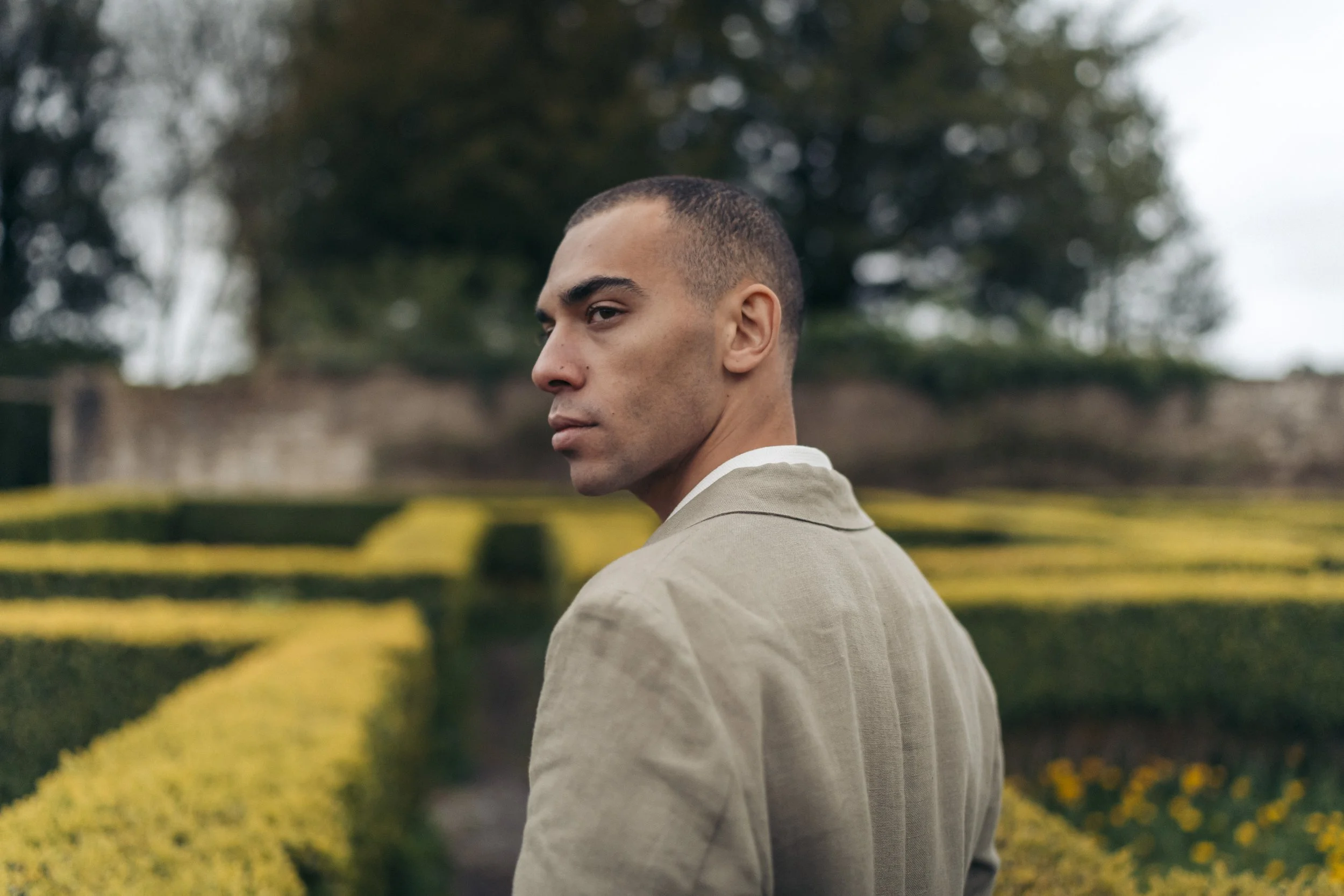
Most people treat photography and filmmaking as separate disciplines. For those who work across both, they're in constant conversation.
I've worked as a photographer and filmmaker for most of my career, often as a hybrid shooter, moving between stills and video on the same job, sometimes within the same hour. That way of working has made the connection between the two forms impossible to ignore. What you learn in one shows up in the other in ways that aren't always obvious until you're in the middle of a shoot and something clicks that you couldn't have arrived at through either form alone.
It's not a coincidence that so many cinematographers came from photography or keep returning to it. Roger Deakins, one of the most celebrated DPs working today, is also a photographer and has spoken about how still image work informed his path into film. Directors and cinematographers regularly use photography as a reference language when preparing a project together, finding stills that capture a mood, a quality of light, a feeling that words can't quite reach. The still image sits at the root of how cinematic visual language gets discussed and developed.
Photography teaches economy. A single frame has to carry everything. No second chance, no cutaway, no sound to lean on. Working within that constraint builds a particular kind of decisiveness. You learn to read a moment quickly, to sense when something is about to happen and position yourself before it does. That instinct transfers directly to a film set. The ability to anticipate, to stay ahead of what's unfolding rather than reacting to it after the fact, is one of the most valuable things photography can give a filmmaker.
It also sharpens the relationship with available light in a way that moving image work alone rarely does. In photography, light is the whole story. The quality of what falls on a face, the direction it comes from, the way it shifts across twenty minutes of golden hour, all of it has to be read and responded to in real time. That sensitivity carries straight onto a film set. You're not just lighting a scene. You're reading it.
Filmmaking gives something back in return.
Working with performance changes how you photograph people. Learning to create conditions where something genuine can emerge, builds a sensitivity to the difference between a face that is present and a face that is performing. That carries into portrait and documentary photography. You become better at reading a room, at knowing when someone is settled enough for the camera to disappear, at waiting for the moment when what's in front of you becomes true rather than staged.
Editing does something similar. Understanding how images work in sequence changes how you think about a single frame. A photograph doesn't exist in isolation. It sits in a run of images, whether that's a portfolio, a book, or a feed. The instinct for how one image connects to the next, developed through hours in an edit suite, makes the selection and sequencing of still work more considered.
Working across both forms keeps the core instinct sharp. Photography demands it in its most distilled state. Filmmaking stretches it across time and complexity. Each one exercises a different part of the same muscle.
The conversation between them doesn't produce a compromise. It produces a way of seeing that neither form would arrive at alone.