From Shot to Story
A single photograph can stop you. A sequence of photographs can take you somewhere.
The difference between a collection of images and a body of work that tells a story is not always obvious when you're making the pictures. It becomes clear when you sit down to edit them.
I've been thinking about this since I started working across both photography and film, because the disciplines share more than most people realise. When a cinematographer covers a scene, they think in terms of establishing shots, mid shots, close-ups, detail shots, and the transitions between them. Together those elements build something a single angle never could. The same logic applies to a set of photographs.
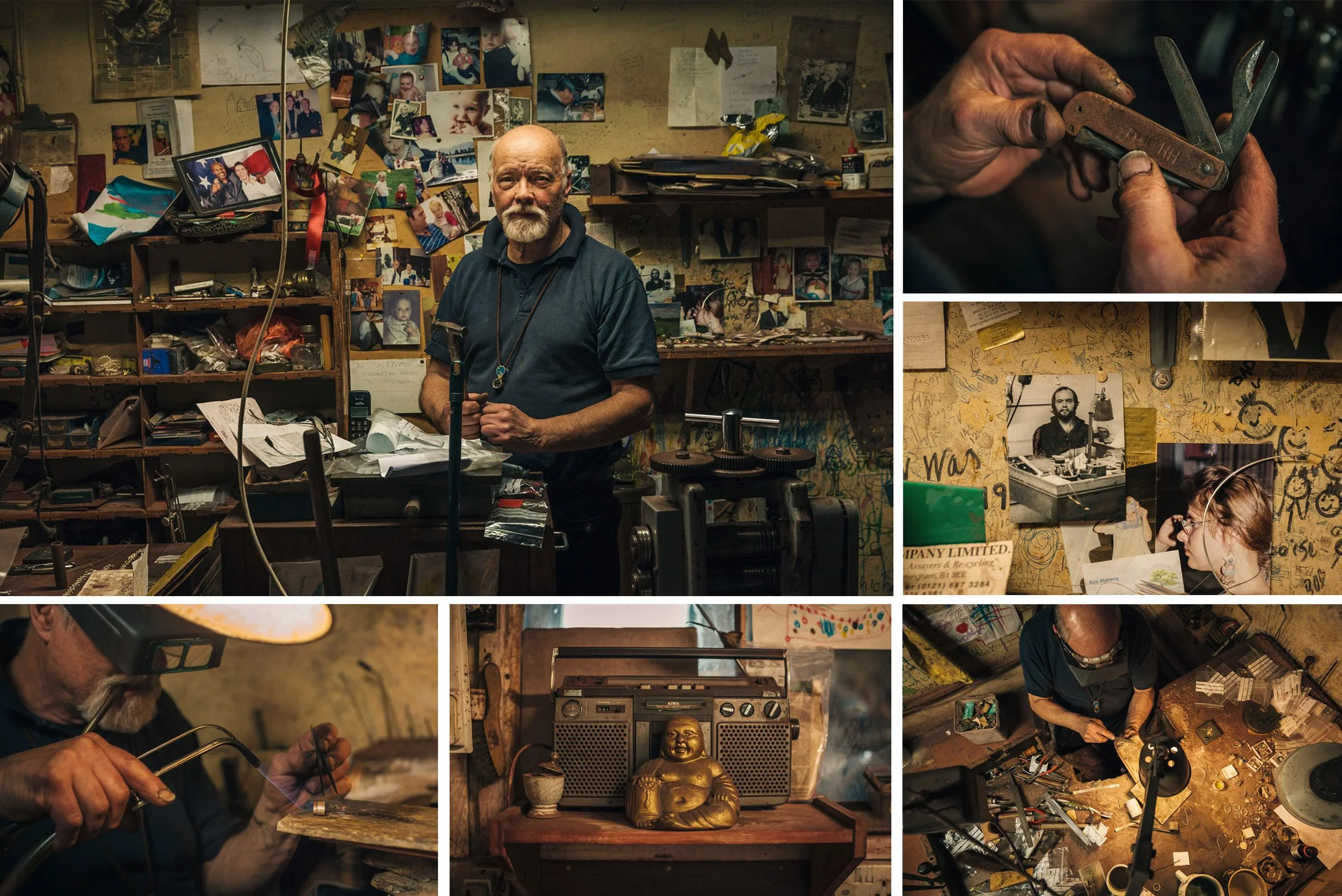
One of the clearest examples I have is from a shoot for Make-A-Place, an online magazine I ran with a friend. We visited a goldsmith who had dedicated more than fifty years of his life to his craft. He talked about what jewellery had taught him about people and prosperity. I documented everything. Wide shots of his workshop, the light falling across the space, the tools arranged just so. Him at work, bent over his bench, absorbed. And then the details. The extreme close-ups of his hands, carrying fifty years of the work in every line. The objects scattered around the space, each one carrying its own history.
Together those images told a story that didn't need a caption to land. The wide established the world. The mid shots placed him inside it. The close-ups said something about time and devotion that no amount of words could quite reach. Sequenced in the right order, they moved the way a scene moves.
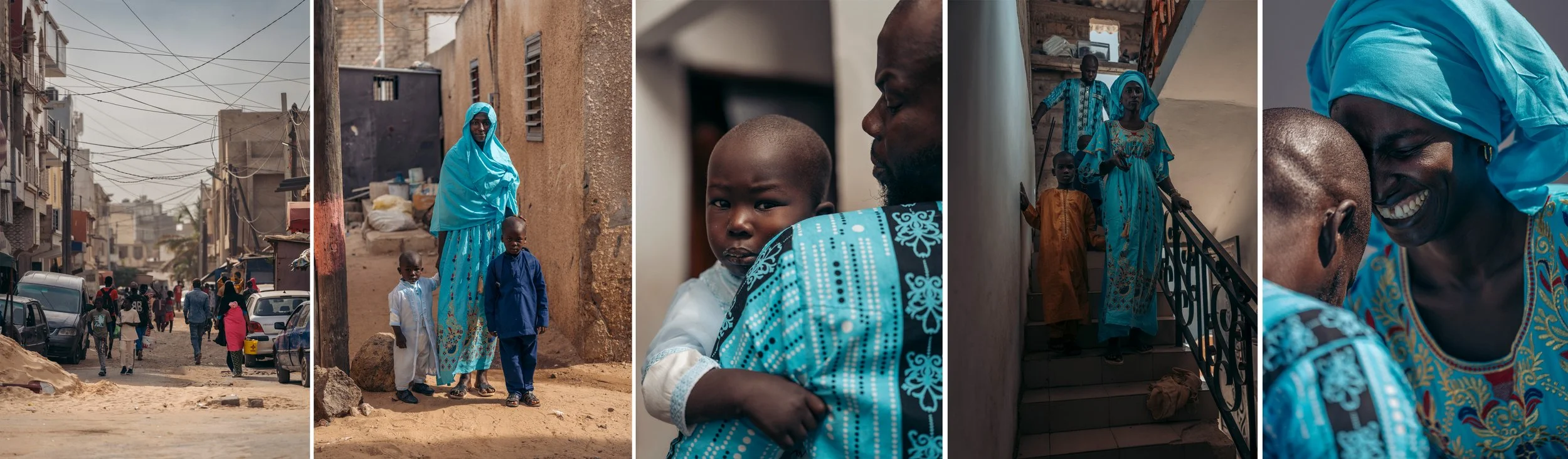
The Senegal work from a recent travel shoot did something similar but differently. That was pure documentary, responsive, unplanned. You're moving through a place and reading it as you go, making decisions in real time about what deserves to be held and what can be let go. The coverage instinct still applies. You're still building toward a set that has width and depth and intimacy. But you discover the story first and build it in the edit.
What both approaches share is the edit itself. Selecting and sequencing images is where the story either emerges or doesn't. A strong individual frame can be undermined by poor sequencing. A set of modest frames, ordered well, can carry real narrative weight. The edit is where you find out whether you shot for the story or just shot.
The questions worth asking when you sit down with a set of images are the same ones a director asks when reviewing footage. Do I have an establishing shot? Do I have the mid-range material that carries the bulk of the story? Do I have the close detail that gives it texture and feeling? And do I have the transitions, the images that move the eye from one beat to the next?
If the answer to any of those is no, you feel it immediately. The set feels thin or repetitive or like it starts in the middle. Coverage, in stills as in film, is about thinking ahead. About knowing while you're shooting what you'll need when you sit down to build something from it.
The goldsmith shoot is still one I use in pitch decks. Not because the images are technically exceptional, but because they work together. They take you through a life in a few frames.
That's what a good set of stills can do.