Directing Performance with Care
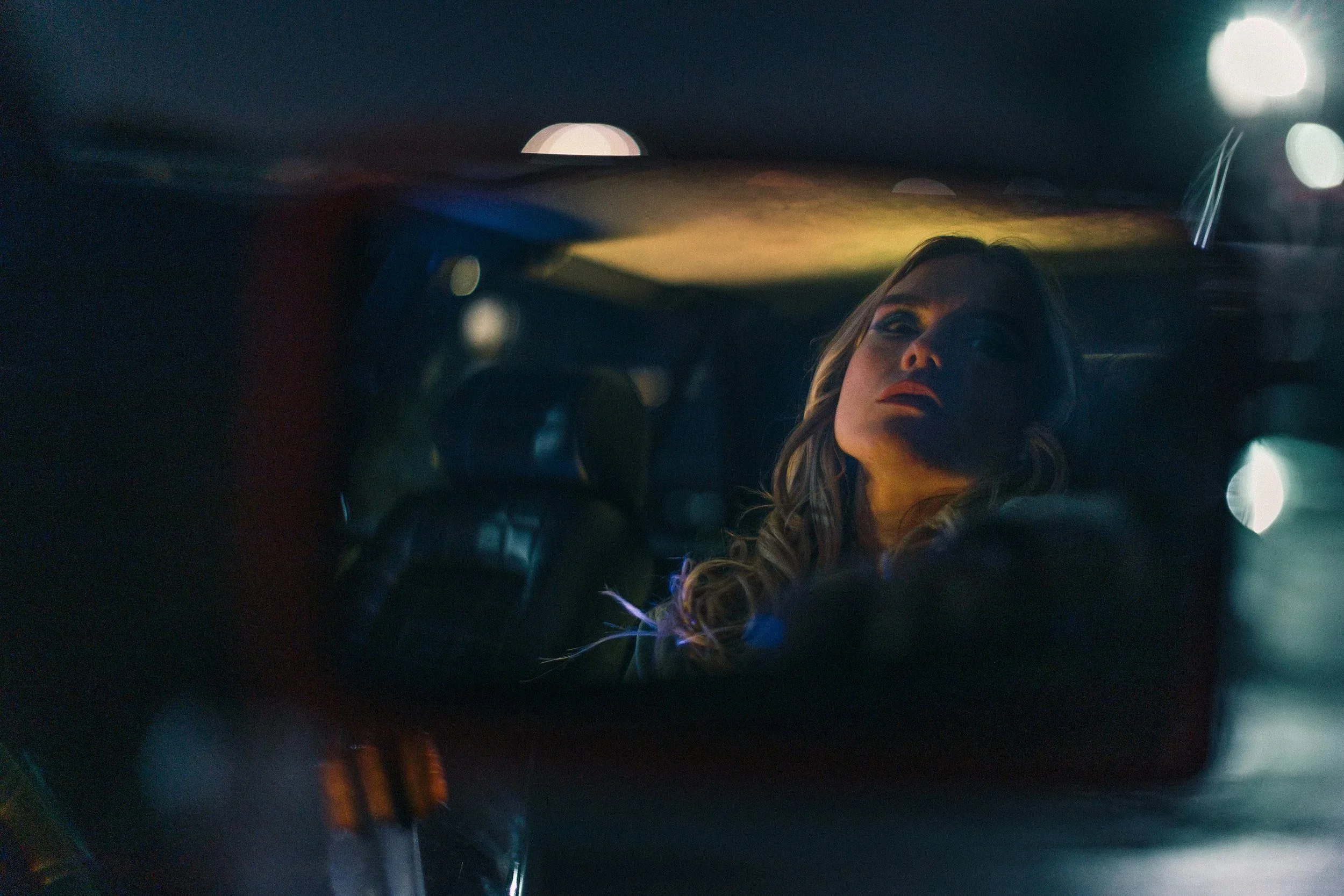
On attention, trust, and restraint
Performance is often more fragile than it looks.
Small shifts in pressure, tone, or pace can change everything. You feel it almost immediately when someone is in front of the camera. A moment that was open starts to tighten. An expression becomes guarded. What felt inhabited begins to look performed.
I’ve learned to pay close attention to those shifts, because once performance closes down, it’s hard to reopen. And more often than not, it isn’t talent or intention that causes it, but how direction is given.
Care, in this context, isn’t about being soft or hands-off. It’s an active choice. It’s about timing, restraint, and sensitivity. Knowing when to intervene and when to step back. Knowing that direction delivered too quickly, or too publicly, can close something down rather than open it up.
Rushing is usually the culprit.
When time feels compressed, pressure rises. People sense it, even if nothing is said out loud. Performances become functional rather than alive.
In photography, the same dynamic shows up differently. Push too hard or move too fast, and attention turns outward. The camera becomes something to respond to, rather than something to exist alongside.
This applies whether you’re working with actors, contributors, or someone you’ve just met. In all cases, you’re asking a person to offer part of themselves to the camera. That requires trust. And trust takes time.
One of the ways I try to protect that is by directing people, not outputs. The aim isn’t to extract a performance or an expression, but to create the conditions where something genuine can emerge. That means listening as much as speaking. It means noticing when someone needs clarity, and when they need space.
How direction is given matters as much as what’s said.
I’ve found that one-to-one conversations often work far better than public notes. Quiet adjustments preserve confidence. They keep dignity intact. They stop people from feeling watched or corrected in front of others. The energy of a set shifts when people feel supported rather than scrutinised.
This way of working extends naturally into how I shoot.
I love operating the camera myself because it keeps me close to the people I’m filming or photographing. Physically and emotionally. It allows me to respond in real time, to stay connected to what’s happening rather than observing it from a distance. Being behind the camera becomes another form of listening. You feel when a moment is settling, when it needs a little more space, or when it’s time to move on.
That closeness makes care practical rather than abstract.
When working with non-actors or contributors, this becomes even more important. The aim isn’t to shape behaviour, but to let people remain themselves. Direction here is lighter, more responsive. Often it’s about reassurance rather than instruction, about making someone comfortable enough to forget about the camera altogether.
Care doesn’t remove clarity.
In fact, it often demands more of it. Uncertainty creates anxiety, and anxiety rarely helps performance. Clear intention, communicated calmly, can be deeply reassuring. Boundaries and decisions are part of care too. The key is how they’re held.
This approach isn’t something I set out to define. It’s evolved through experience, through noticing what helps people open up and what causes them to withdraw. The more attention I’ve paid to this, the more consistent the work has become, whether I’m directing a scene or making a single frame.
There isn’t one correct way to direct performance. Different temperaments bring different strengths to a set. But for me, care has become central. Not as a philosophy, but as a practice.
When people feel seen, listened to, and protected from unnecessary pressure, something shifts. Performance deepens. Presence settles. And what unfolds in front of the camera feels less like something that’s been forced, and more like something that’s been allowed.