Who Are You, Really? Casting your own scripts.
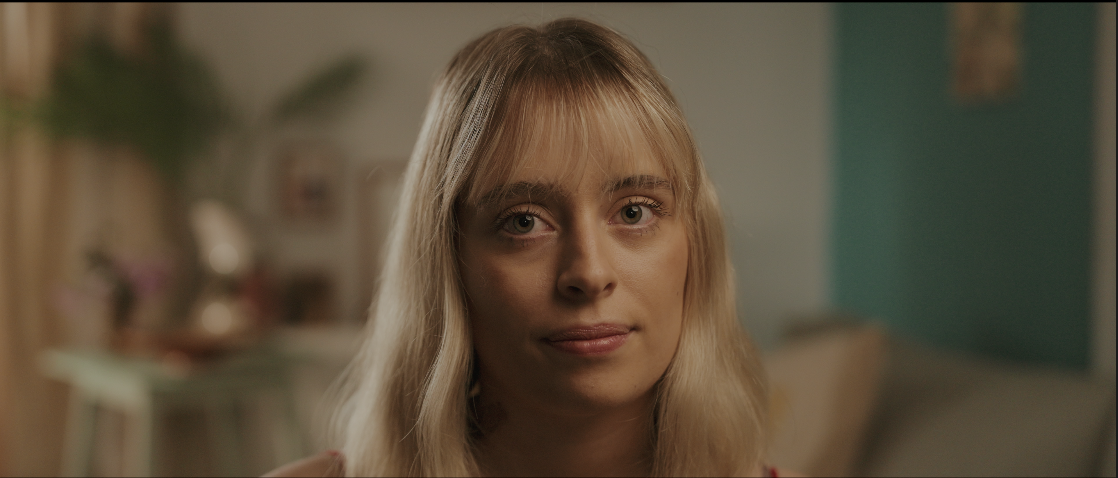
Lotte Pearl in Bigger Than Everything After
You write a character. You live with them for months. You know how they hold themselves on a bike, what their bedroom looks like at two in the morning, the exact quality of stillness they carry into a room. By the time the script is finished, they are completely real to you, even though they do not exist yet.
Then you post a casting call, and strangers start arriving in your inbox.
This is the moment the strangeness of casting becomes impossible to ignore. You have spent months building a person in precise detail, and now you are looking at photographs of people you have never met, trying to decide whether any of them might be that person. It is an odd kind of recognition you are looking for. Not quite knowing. More like the feeling that it could be true.
At the level of major productions, there is a whole infrastructure designed to manage this problem. A casting director reads the script, develops what is called a character breakdown, and begins working their way through a talent pool they have spent years building. They pre-filter. They have instincts about who might be right before anyone auditions. By the time a director meets an actor, a considerable amount of work has already been done to make sure the encounter is worth having.
Independent short filmmakers have none of this. You are the casting director and the director and often the only person making decisions at every stage. When an expression of interest arrives, it lands directly with the person who wrote the script, who has the clearest and most specific image of the character in their head, and who has no existing relationship with the actor sending it. The filter is you, and the information you have to work with is thin.
What do you actually have? Usually a photograph, sometimes a showreel or links to previous work. From this you are supposed to decide whether to invite someone to record a self-tape, which costs them time and costs you the relationship of having seen them perform before you meet. Every decision in that early stage is made with incomplete information against a very complete internal picture.
And then there is the other side of it. Every expression of interest requires a response, and most of those responses are rejections. The reason is often not a reason in any articulable sense. Just the absence of the feeling you are looking for. You cannot tell someone that. And it becomes harder when the person reaching out has been here before, received the same answer then. They are still showing up. The kindest response you can give still lands as a second rejection, and you both know it.
The standard advice is to stay open. Cast wide, be willing to be surprised. There is real wisdom in this. Some of the best casting decisions come from the gap between who a director imagined and who actually walked through the door. But this sits uneasily when you have written something specific. The character is not an outline waiting to be filled. You are not looking to discover who they are. You already know. What you are looking for is the person who can make that true on screen. Most decisions about who to invite further into the process are made on instinct operating on very little information. Something in a photograph, something in the way someone writes about why they want the role. It is not a science. It is closer to the feeling you had when you wrote the character in the first place.
What the process has not really caught up with is how much casting has moved online and what that means for the director doing it themselves. Sending a self-tape used to be a later stage, after some initial contact or a pre-read. Now it is often the first real thing you see of a person. You are making judgements earlier, with less, against an internal image that has never had to be articulated to anyone else.
Perhaps that is the real challenge. Not finding the right person, but learning to describe what you are looking for clearly enough that the right person recognises themselves in it. The character exists completely in your head. The actor exists completely in the world. Casting is the work of finding out whether those two things can become one.