Rethinking Originality in an AI World
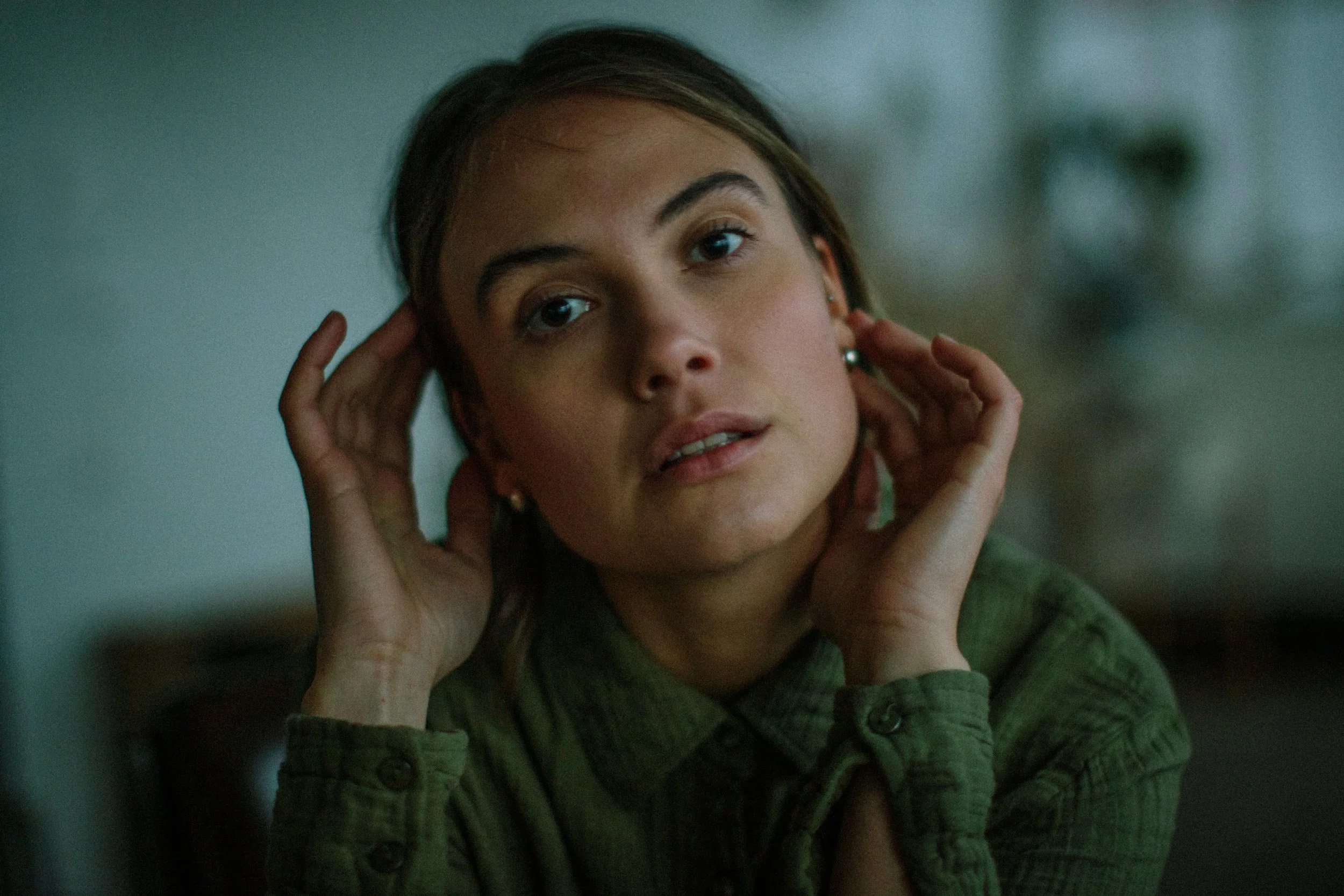
Cinematic realism in the age of generative everything
As AI tools rapidly reshape the creative landscape, the idea of originality is being redefined. When visuals, scripts, and even entire campaigns can be generated in seconds, what sets human creatives apart, particularly those of us working in photography, film, and storytelling?
The answer isn’t speed. It’s perspective.
AI can replicate style, composition, even emotion to a degree. But it can’t truly see. It doesn’t walk through light, hold tension in a scene, or build trust with a subject. It doesn’t know the stillness before a take or the instinct to keep rolling because something real is unfolding.
In commercial storytelling, originality now lives in how we see, not just what we make. It’s in the human choices behind the lens: when to simplify, when to linger, when to break rhythm. It’s in our ability to craft atmosphere and emotional depth out of something ordinary. To bring richness and restraint. To listen, not just execute.
In this new era, we become not just image-makers but creative directors, interpreters, collaborators. The role is less about generating content, more about curating meaning. Drawing from a sea of tools, AI included, but grounding everything in lived experience, instinct, and a sense of care.
The challenge isn’t to reject the technology. It’s to stay rooted in what makes our work ours. Because while AI can mimic the aesthetic, it can’t replicate presence, intuition, or the quiet power of a considered frame.
And that’s where originality lives now, not in being the first, but in being true.