Shooting for the Edit
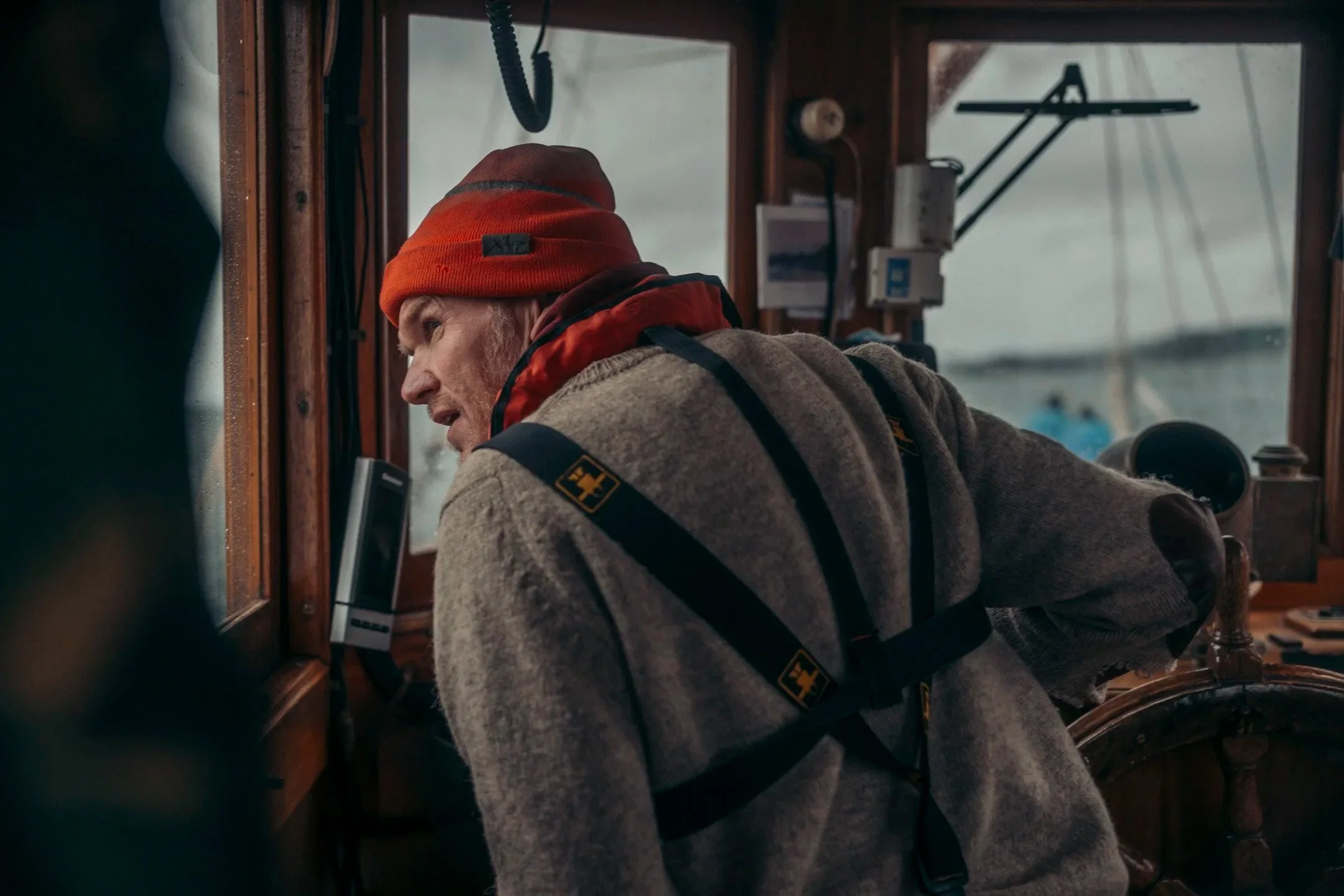
On structure, instinct, and thinking ahead
You hear the phrase often: shoot for the edit.
It sounds technical. Strategic. Almost mechanical.
In practice, it’s more instinctive than that. And it’s something I’m still learning to do better.
Shooting for the edit isn’t about coverage for the sake of safety. It’s about understanding how moments connect. How one image leads into another. How a scene breathes once it’s cut together.
The edit doesn’t begin in post. It begins on set.
The more time I spend editing my own work, the more I see how it shapes the way I shoot. I’m more aware of rhythm while the camera is still rolling. More conscious of when I have the beginning of a moment but not its end. More alert to when something feels strong on its own yet lacks what will allow it to sit properly in sequence.
In documentary, especially, it’s never exact. You can’t storyboard real life. You respond to what unfolds. But even in fluid situations, a sense of structure forms quietly in the background. You’re listening not just to what’s happening now, but to what it might sit beside later.
That doesn’t mean overshooting.
If anything, learning to shoot for the edit has made me more selective. When a moment has enough, you can move on. When a scene has what it needs to transition, you don’t chase endless variations. You begin to trust that what you have will hold.
Sometimes I stay too long. Sometimes I move on too quickly. The edit exposes both. Over time, those lessons start to carry forward. You notice earlier. You anticipate slightly better.
It also changes how I frame.
Holding a shot a fraction longer can allow an emotional shift to surface. Capturing a reaction that seems secondary in the moment can become the anchor later. Gathering small environmental details can give a sequence space to breathe. These aren’t rules. They’re sensitivities that develop gradually.
In photography, the principle isn’t so different.
When selecting images later, you see which frames genuinely carry weight and which were carried by the atmosphere of the moment. That awareness sharpens the next shoot. You start to sense when a frame feels complete and when it needs context.
Editing and shooting stop feeling like separate stages.
They become part of the same conversation.
The more I edit, the more intentional I try to be when I shoot. The more intentional I shoot, the clearer the edit tends to become.
It’s a loop.
And I’m still learning how to move within it.