A beautiful compulsion
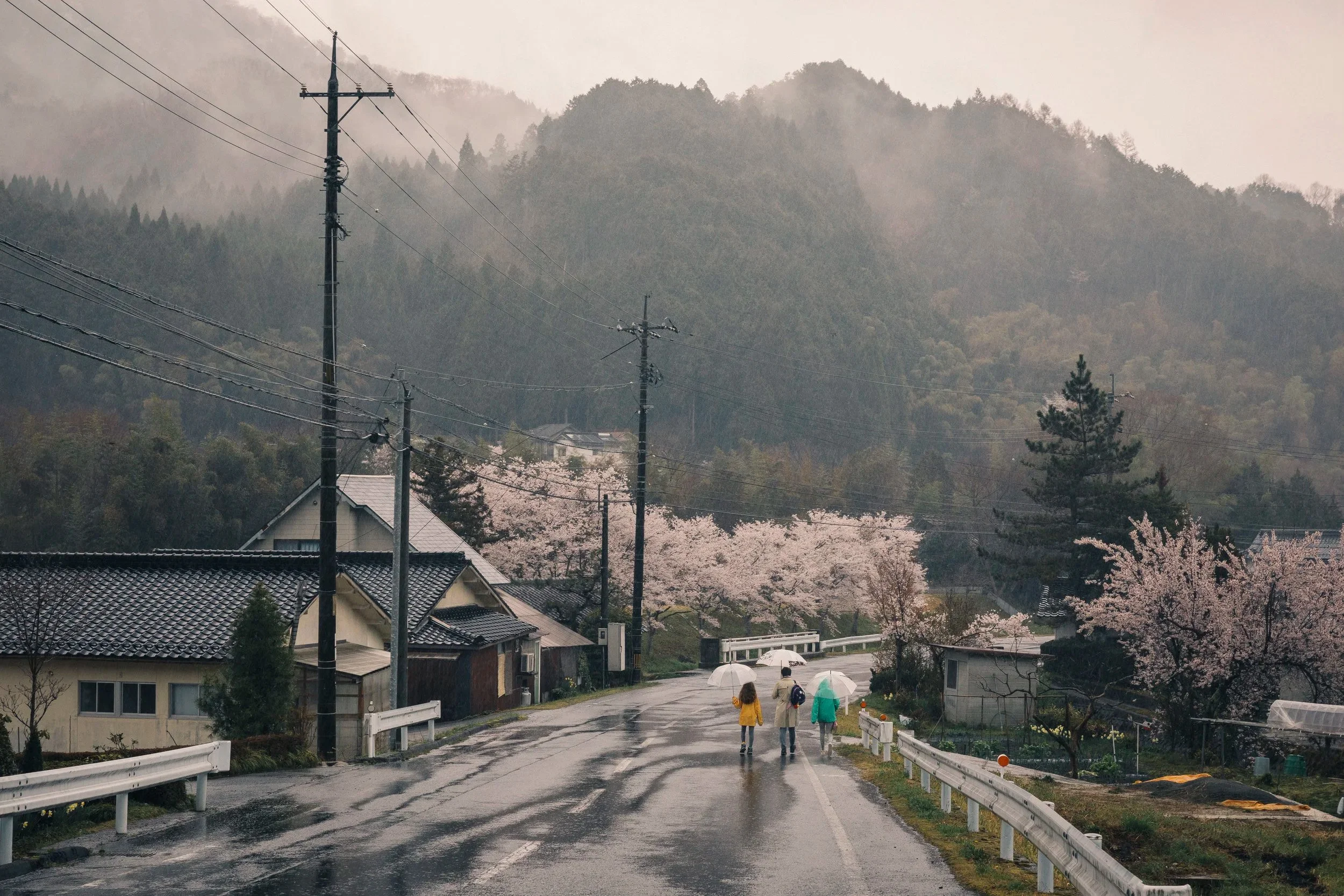
At some point it stops being something you do and starts being something you are.
The camera isn’t always with you. The eye always is.
After enough years behind a lens, the way you move through the world changes. You start noticing light in the middle of a conversation. You clock the geometry of a stairwell, the colour of a wall at a particular time of day, the way shadow falls across a face on the tube. None of it is deliberate. It just happens. The viewfinder has trained you to see, and seeing doesn’t switch off when the job ends.
On shoots, this is useful in obvious ways. You arrive somewhere and your eye is already working. Reading the light, finding the frame, sensing where the interesting things are before anyone has said a word. Experience compresses the time between arriving and being ready. You stop looking and start seeing.
But it follows you everywhere else too.
On holiday, I’m still a photographer. My family know this. We’ll be driving somewhere and I’ll ask to stop the car, climb out with a camera, make a few frames, get back in. They don’t find it annoying anymore, or if they do they’ve learned to hide it well. It’s just part of how things go when we’re somewhere beautiful. The camera is part of how I engage with a place. Taking it away wouldn’t make me more present. It would make me less.
A few years ago I spent two and a half weeks in Japan. I carried a full backpack of gear for the entire trip and shot almost constantly. Not because I had to. Because the place was so layered, so visually dense, so endlessly interesting that the thought of not photographing it felt like a loss I couldn’t justify. There was also something else. The knowledge that I might never get back. That these specific streets, this specific light, these specific moments of ordinary life happening in front of me, might only exist for me once. That sharpens the eye considerably.
Not every image gets made. A few years ago, driving through Scotland after a long shoot day, the sun broke and I spotted a row of trees reflected perfectly in a small body of water. We were past it in seconds. I told the guys I’d just seen one of the most beautiful shots I never took. They offered to turn back. I said no. Sometimes you just have to let it go. But I can still see it. The ones you don’t take have a way of staying with you too.
That trip was exhausting in the best way. You come home with a full drive and a full head and the particular tiredness that comes from paying attention for three weeks straight.
Because that’s the other side of it. Always noticing is not always restful. The same instinct that makes you a better photographer can make it hard to be fully off duty. You’re in a beautiful place and part of your brain is already composing. Watching the light shift and thinking about what you’re not capturing. It’s a compulsion, and like most compulsions it has a cost alongside the pleasure.
But I wouldn’t trade it.
What the viewfinder has given me, over years of looking through it, is a relationship with the visual world that feels like a genuine gift. Colour means more. Light means more. The arrangement of things in space, the weight of a shadow, the moment just before or just after something happens, all of it carries meaning in a way it might not for someone who hasn’t spent years training their eye to find it.
Framing is a way of thinking. It’s the habit of asking what matters, what can be removed, where the edges should be. That question doesn’t stay inside the camera. It starts to apply to everything. What to pay attention to. What to let go. Where the interesting thing actually is.
You don’t need to be on a shoot for any of that to be true.
You just need to keep looking.