When the Script Comes Alive
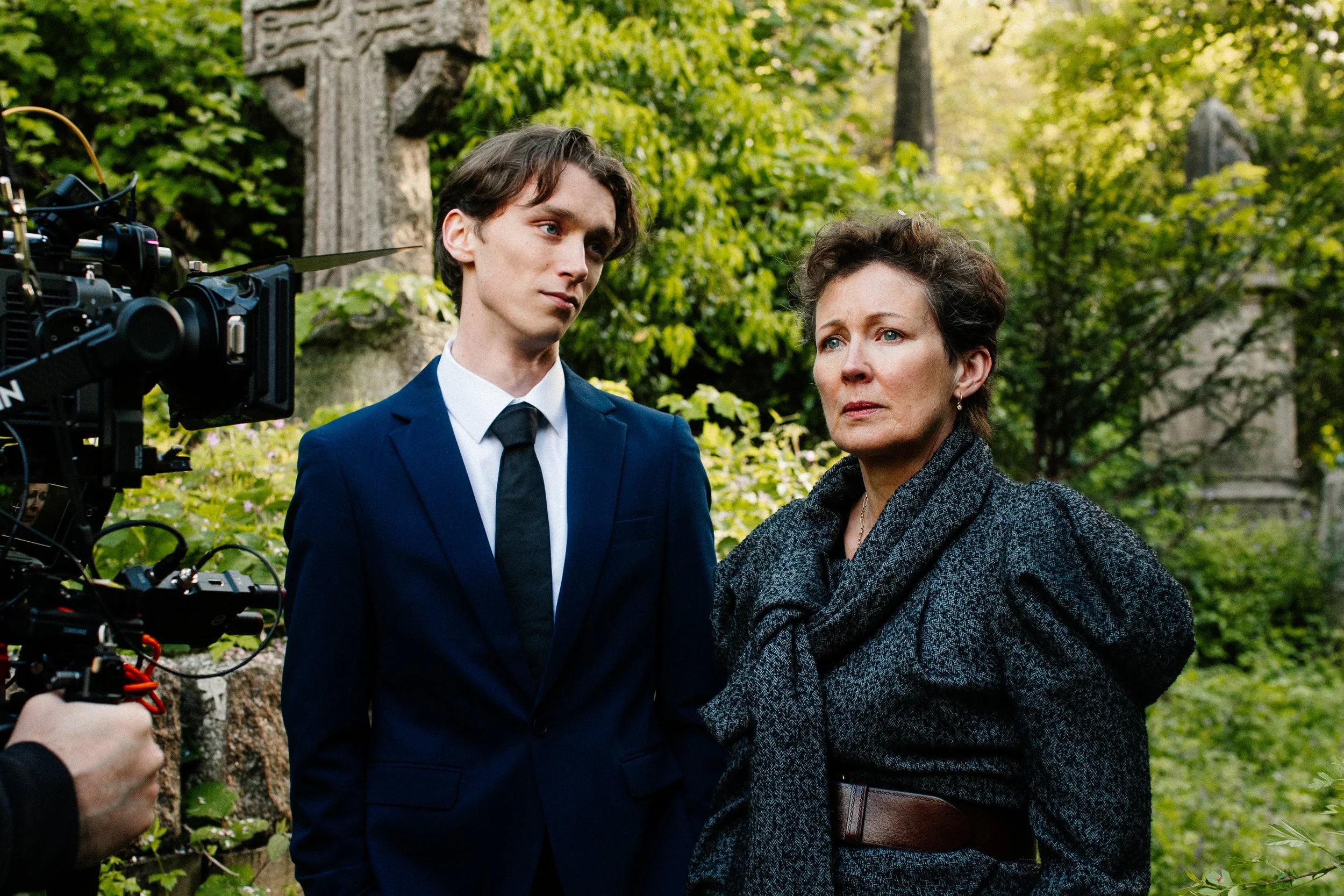
Photo: Liam Keown
A script lives in a very particular way on the page.
You hear it in your own voice. At your own pace. And you've lived with it long enough that you can no longer read it fresh.
Then someone else reads it, and you hear it for the first time.
Sunday Nights is a short film about what we inherit from the people who leave us. Set on the day of a funeral, it follows a Son and his Mother on a walk through the woods as the light fades. It's a film about the grief of losing someone you never really had, and about recognising what that loss has quietly done to you.
The script is personal. It grew out of a real silence, a real funeral, things that were never said and now never will be.
We met on a Saturday at the home of the actor playing the Mother. Coffee, cakes. It didn't feel like a work meeting. The actor who plays the Mother had her own reasons for taking the part. She'd lived through something similar and was still moving through it. Before we opened the script we talked for a long time. About abandonment. About broken families. About what grief does to you when the person you're grieving was never really there.
By the time we started reading, something had already shifted.
We read it scene by scene, slowly, without rushing toward the end. And something happened that I've experienced in read-throughs before but never quite stop being surprised by. The lines I'd written stopped being mine. The Son's pain, long held and carefully contained, finding words for the first time. The Mother's presence, attentive and then quietly retreating at the very moment he breaks open, carrying her own history in the silence. The things said and unsaid between them belonged to two people who were no longer just figures on a page.
Something I always notice in read-throughs is rhythm. Not the rhythm you imagined when you wrote it, but the rhythm the lines actually have. Where a sentence breathes. Where a silence wants to be longer. Where something you thought was the point turns out to be in the way of it.
It also does something harder to describe. The script, which had felt deeply personal up to that point, became less so. Not because the personal had been removed, but because it had been transformed. It was no longer about what I'd experienced. It was about what the Son and the Mother were experiencing. Their world. Their grief. The distance had closed without the material becoming less true.
That's what other voices do to a script. They complete it.
The read-through for Sunday Nights felt like that. Something began.