What Light Remains
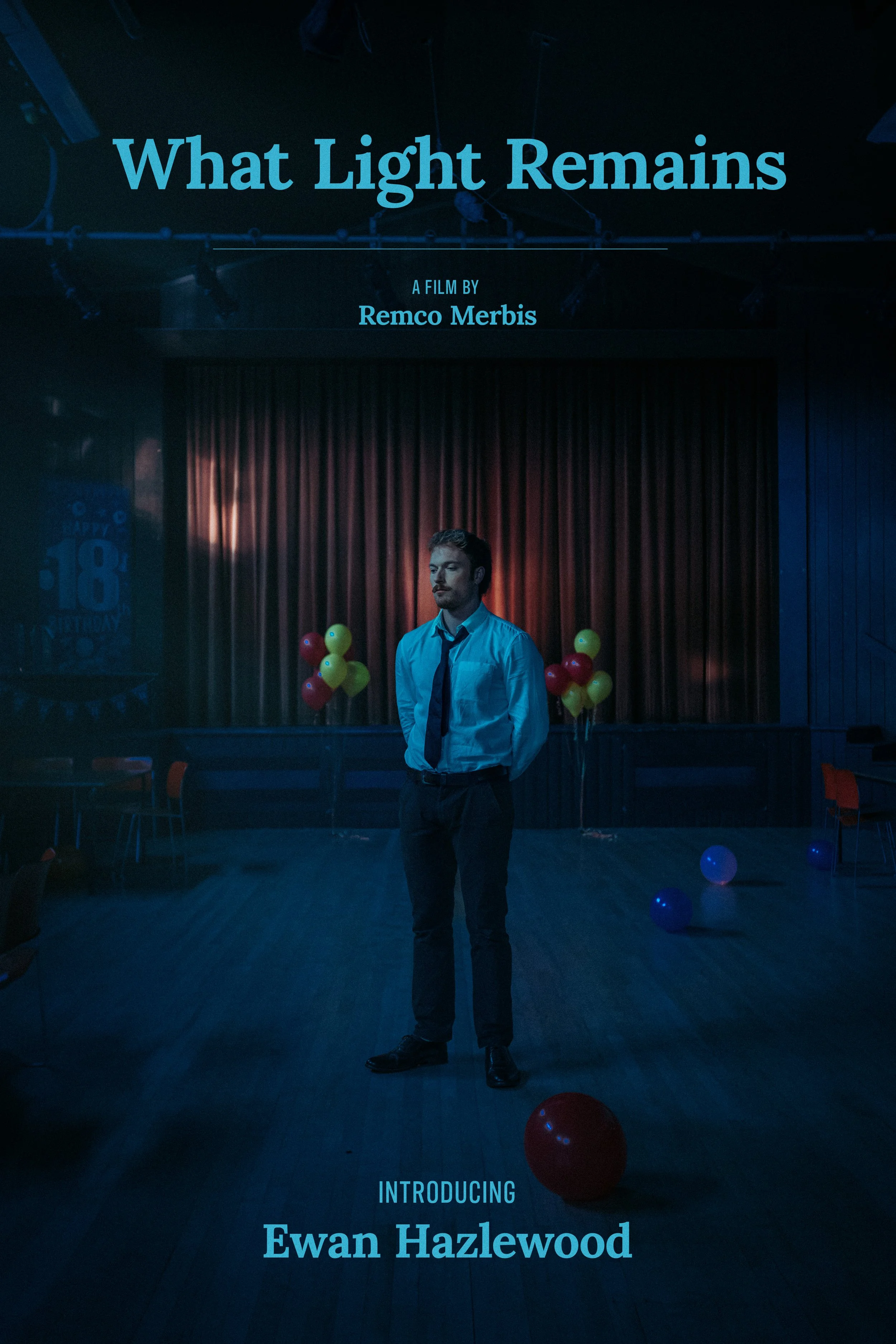
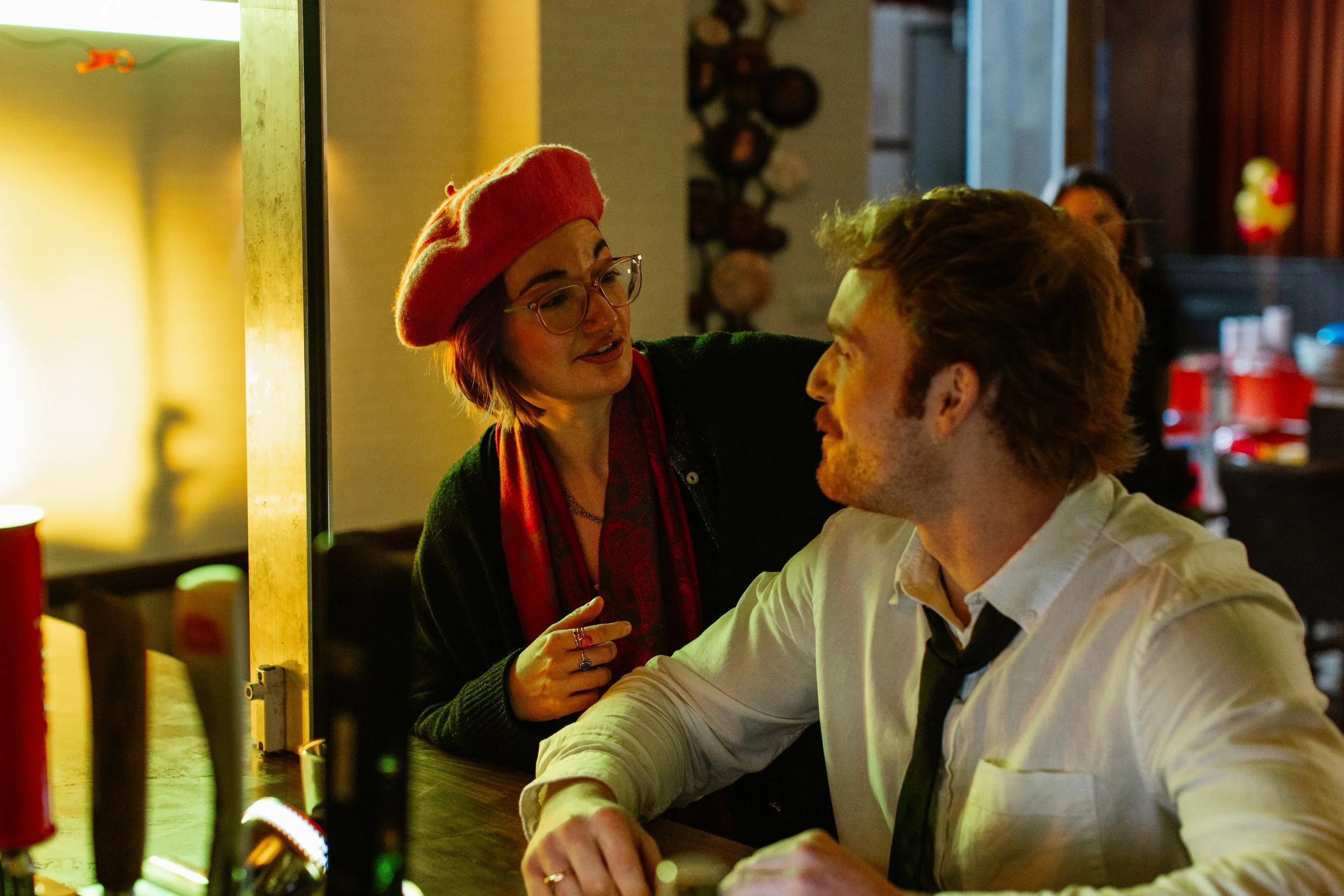
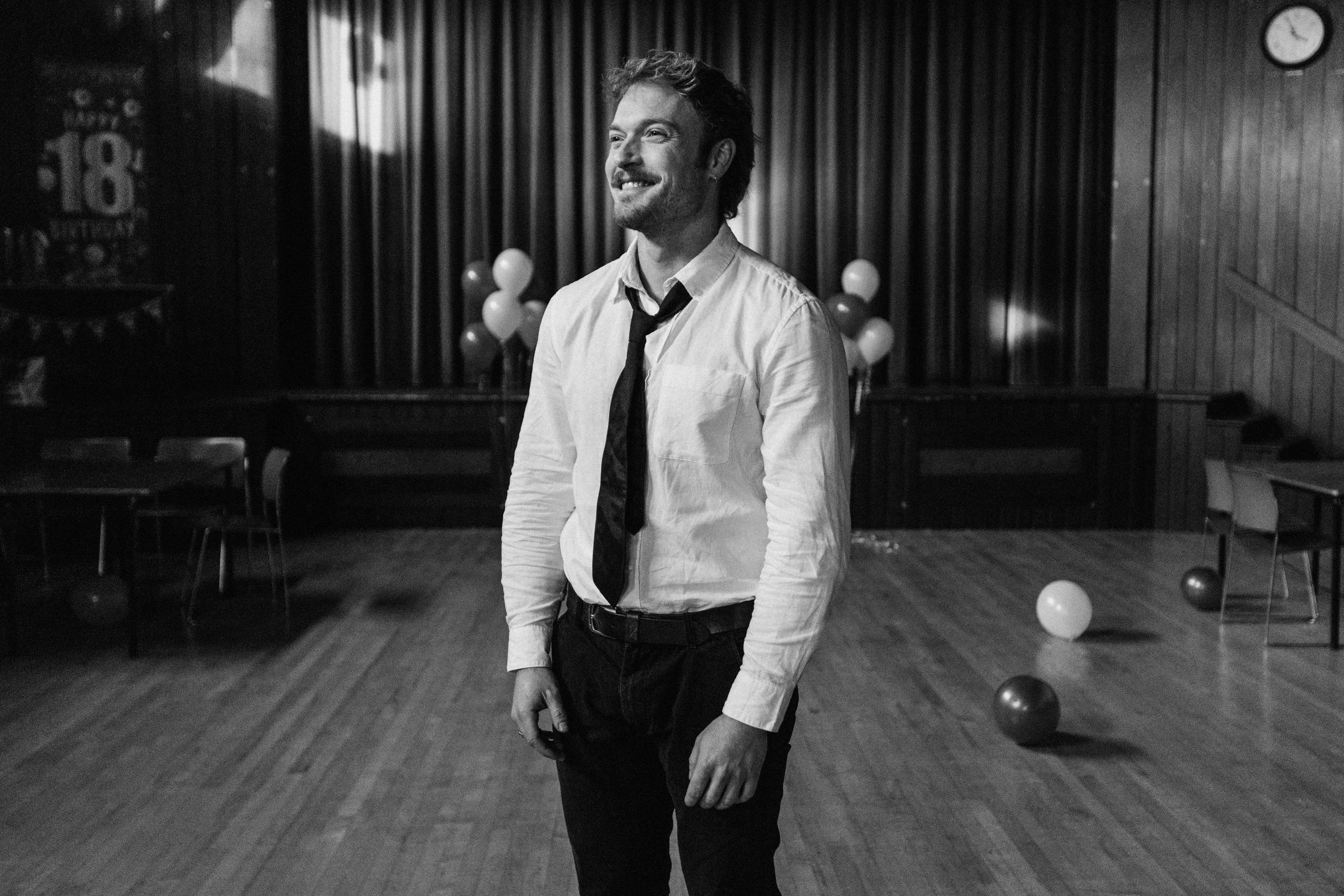
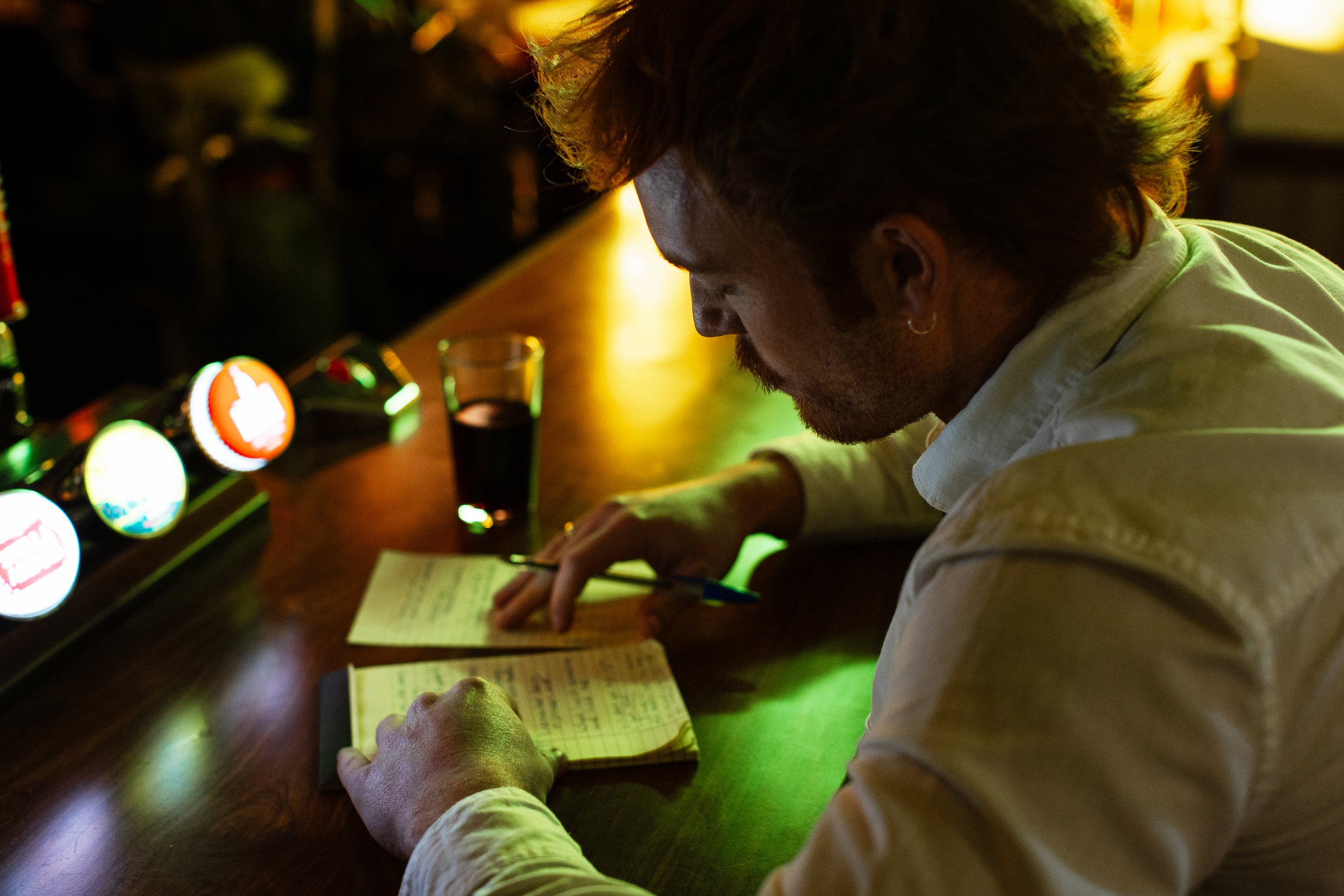
On the eve of his younger brother’s eighteenth birthday, a young man sits alone in a decorated but empty village hall, struggling to write a speech. Rehearsed lines begin to collapse under the weight of expectation, tradition, and the quiet rules of masculinity he has inherited.
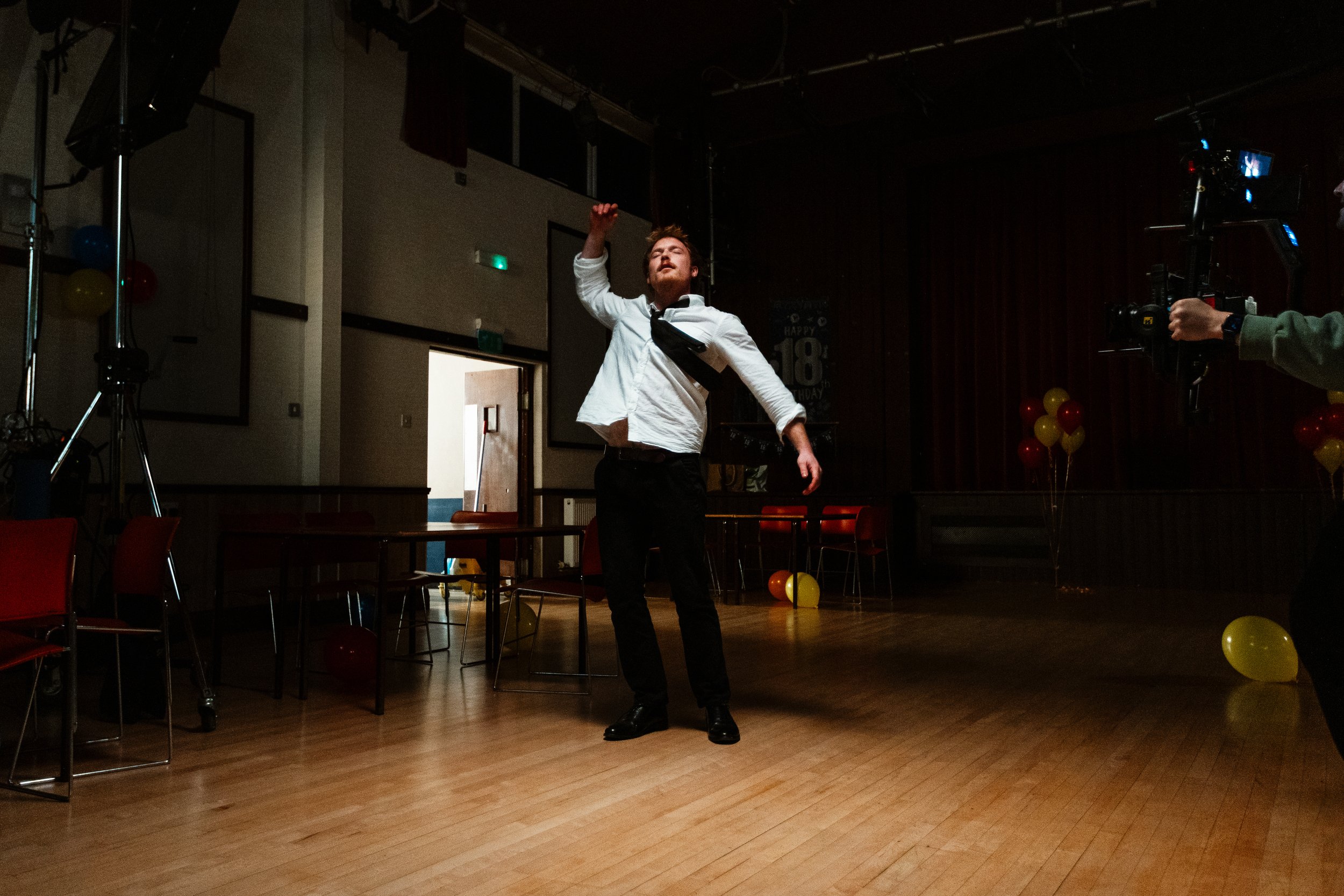
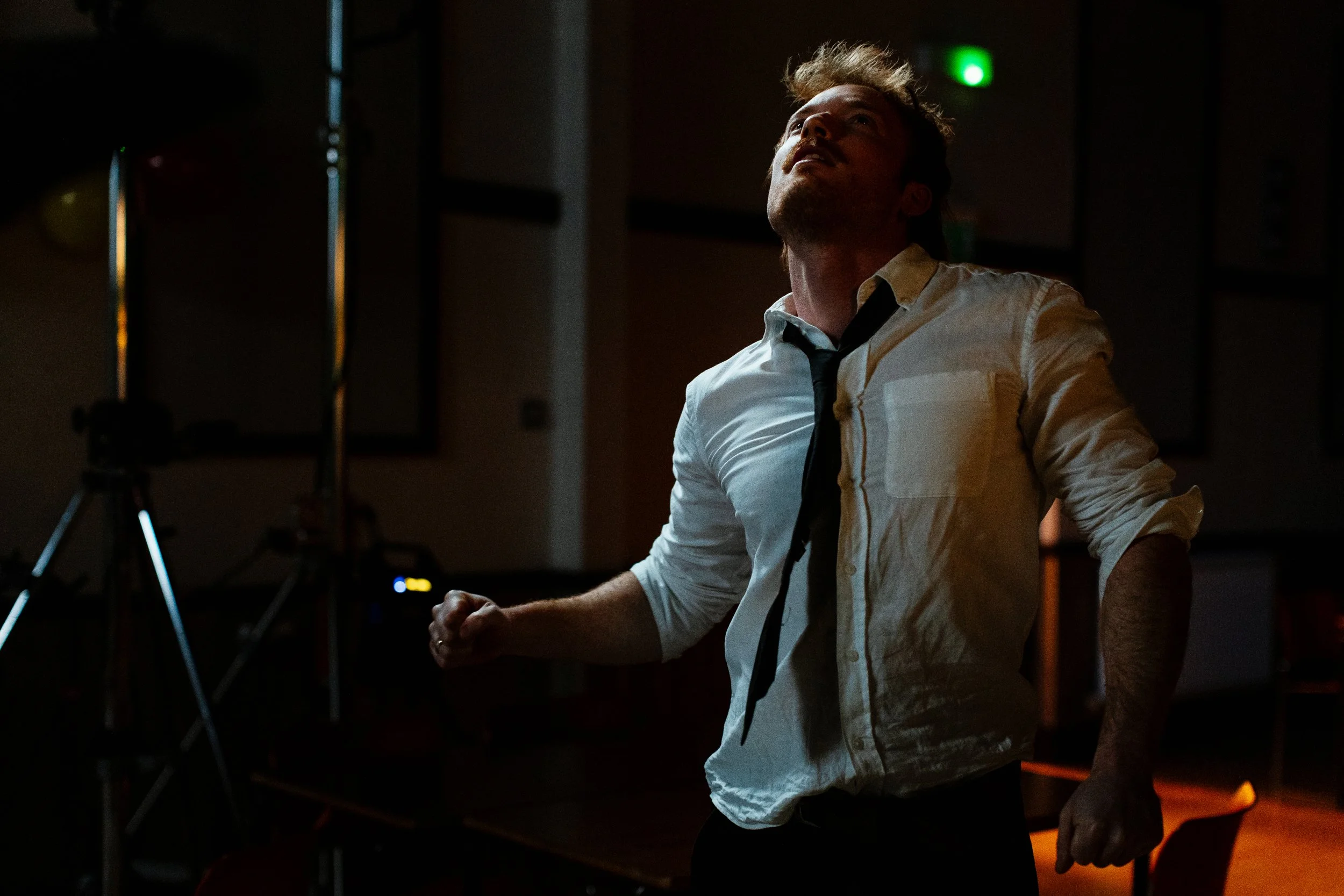
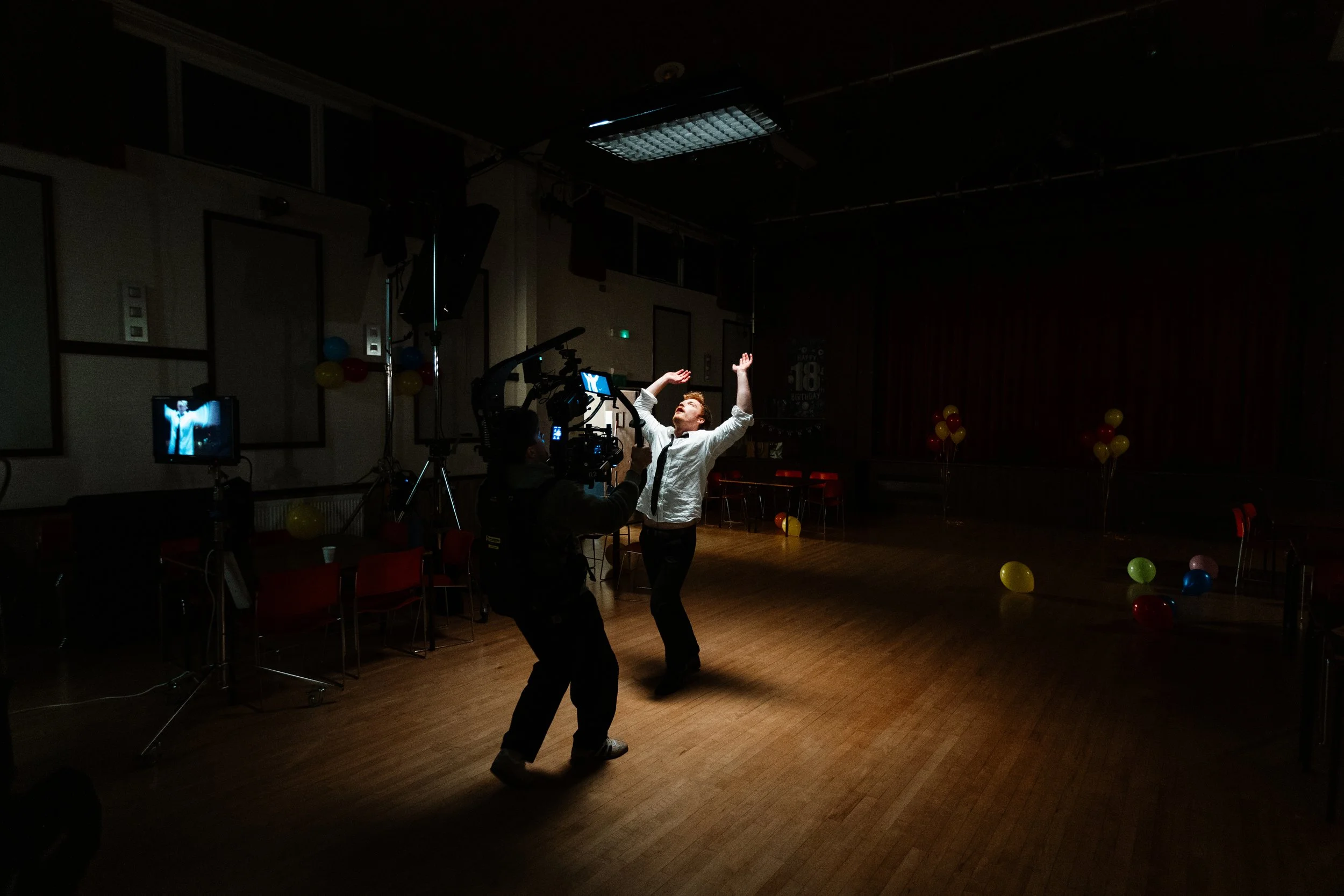
In the background, a cleaner passes through an open doorway, their radio carrying music into the hall. The sound lingers. Something shifts. The words are abandoned. His body takes over. What begins as hesitation transforms into an unrestrained dance, a raw release of emotion, a rejection of silence, and a fleeting glimpse of a different kind of masculinity.
Credits
Introducing Ewan Hazlewood
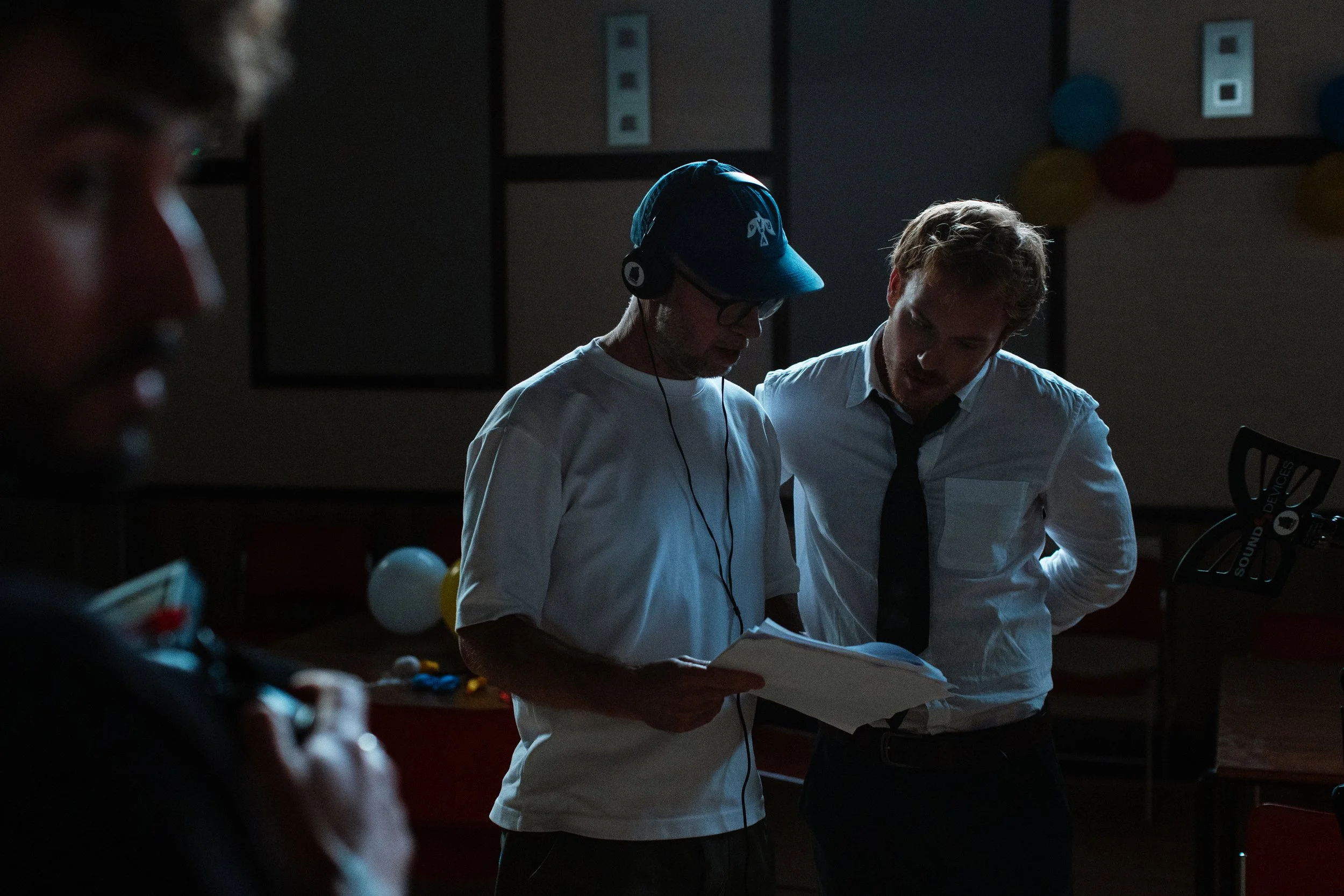
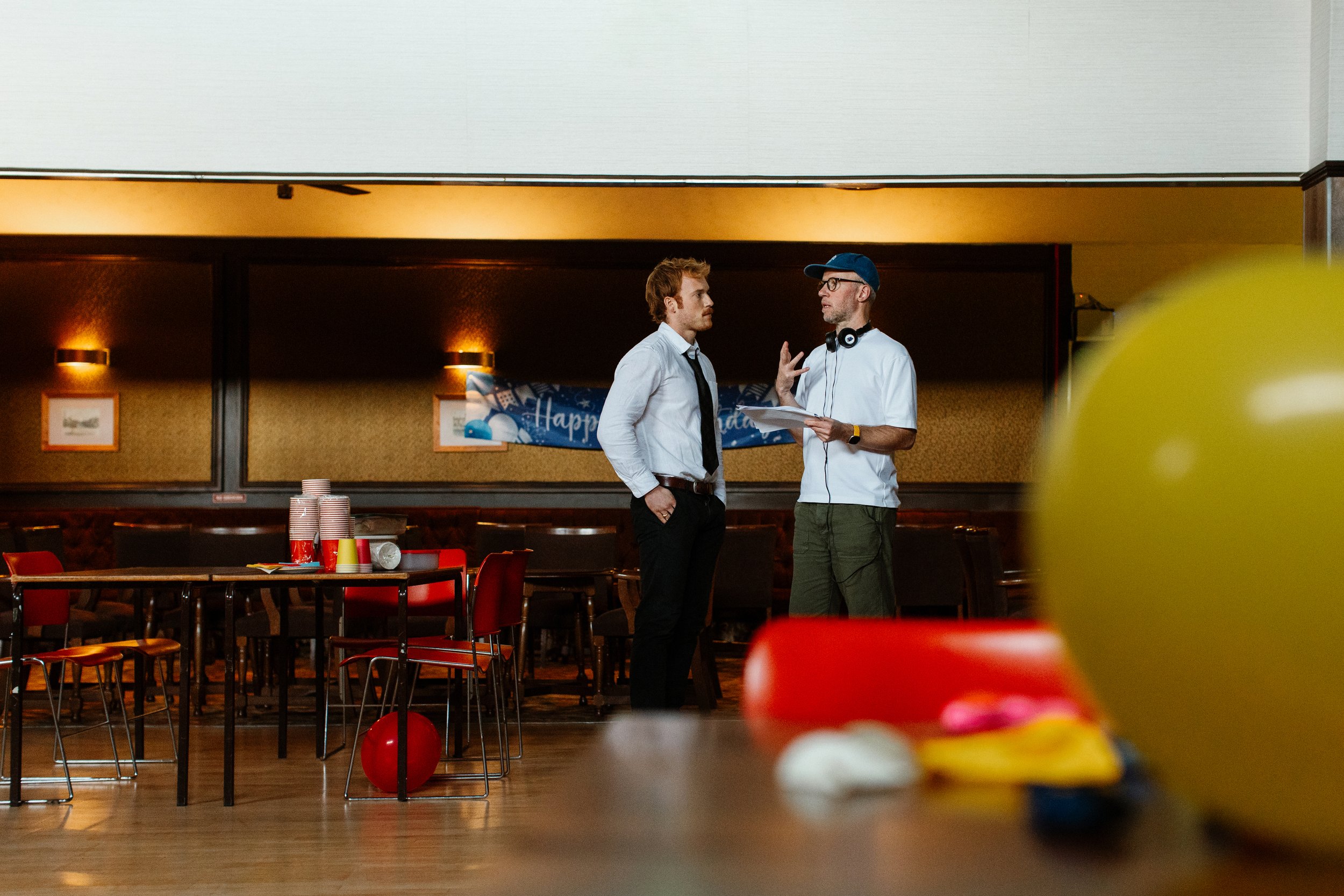
Written & Directed by Remco Merbis
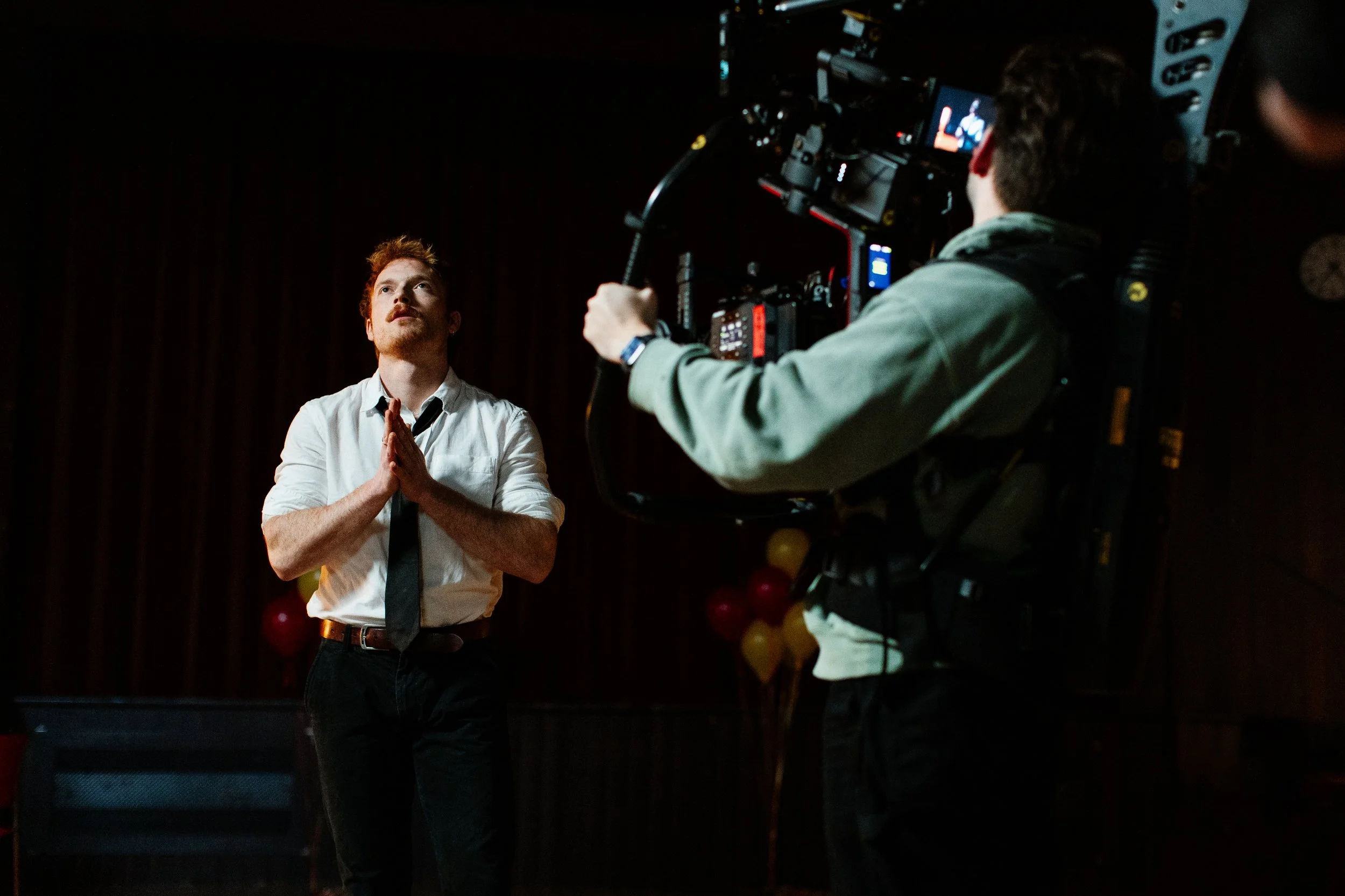
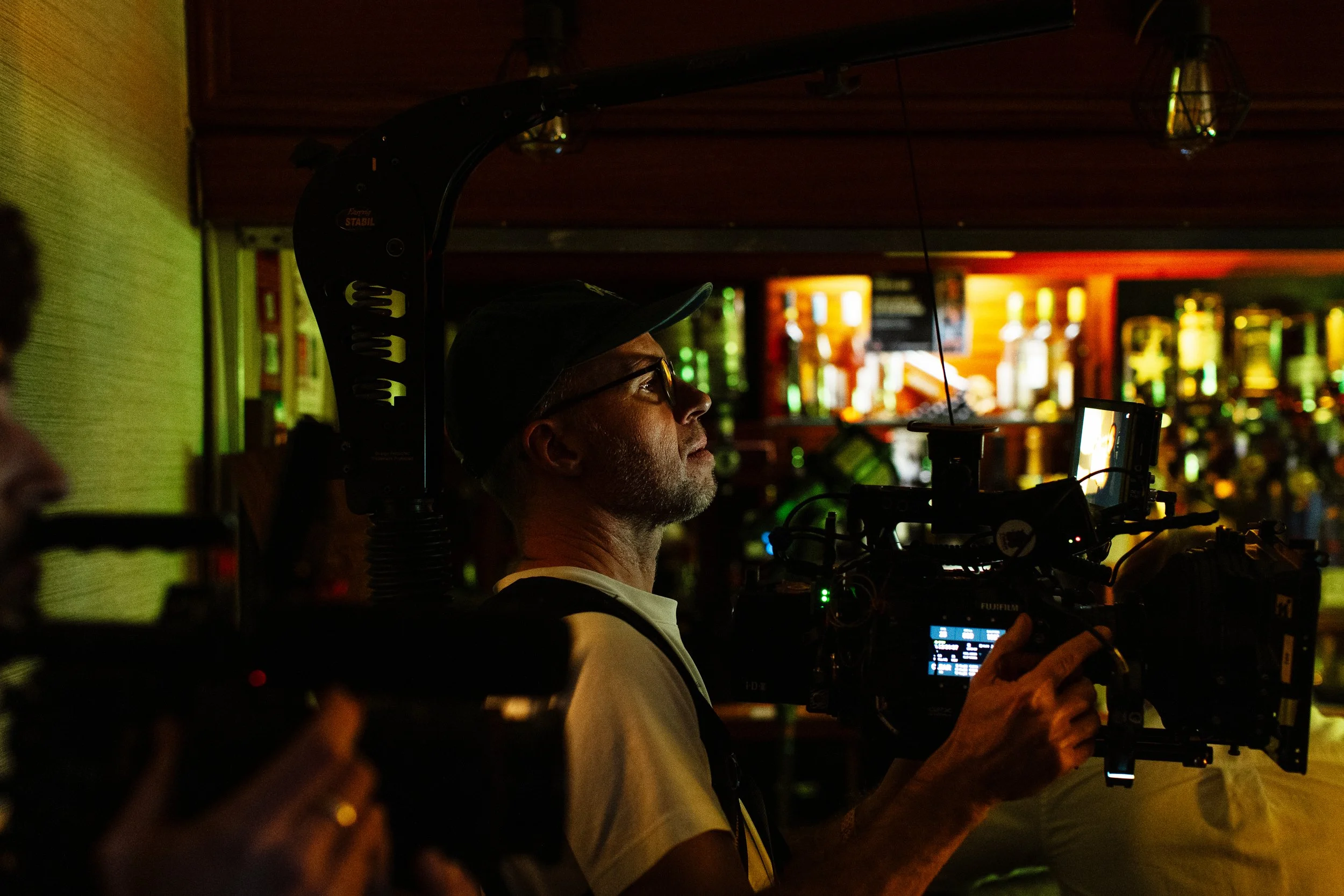
Cinematographer - Lewis Jelley
Camera operators - Lewis Jelley | Remco Merbis
1st AC - Kelly Jones
2nd AC - Andrea Jovanovska
Gaffer - Dave Anderson
Spark - Michael Sides
Producer - Remco Merbis
Original score by The Goneos Brothers
Original song The Walls Come Down by The Goneos Brothers
Sound recordist - Sam Wiltshire
Art Director - Lois Bryant
Assistant Art Director - Sasha Belgrave
Hair & Make-up - Rebecca Rose Robinson
Production Assistant - Mikey Sneddon
Production Assistant - Danny Land
Production Assistant - Sam Smith
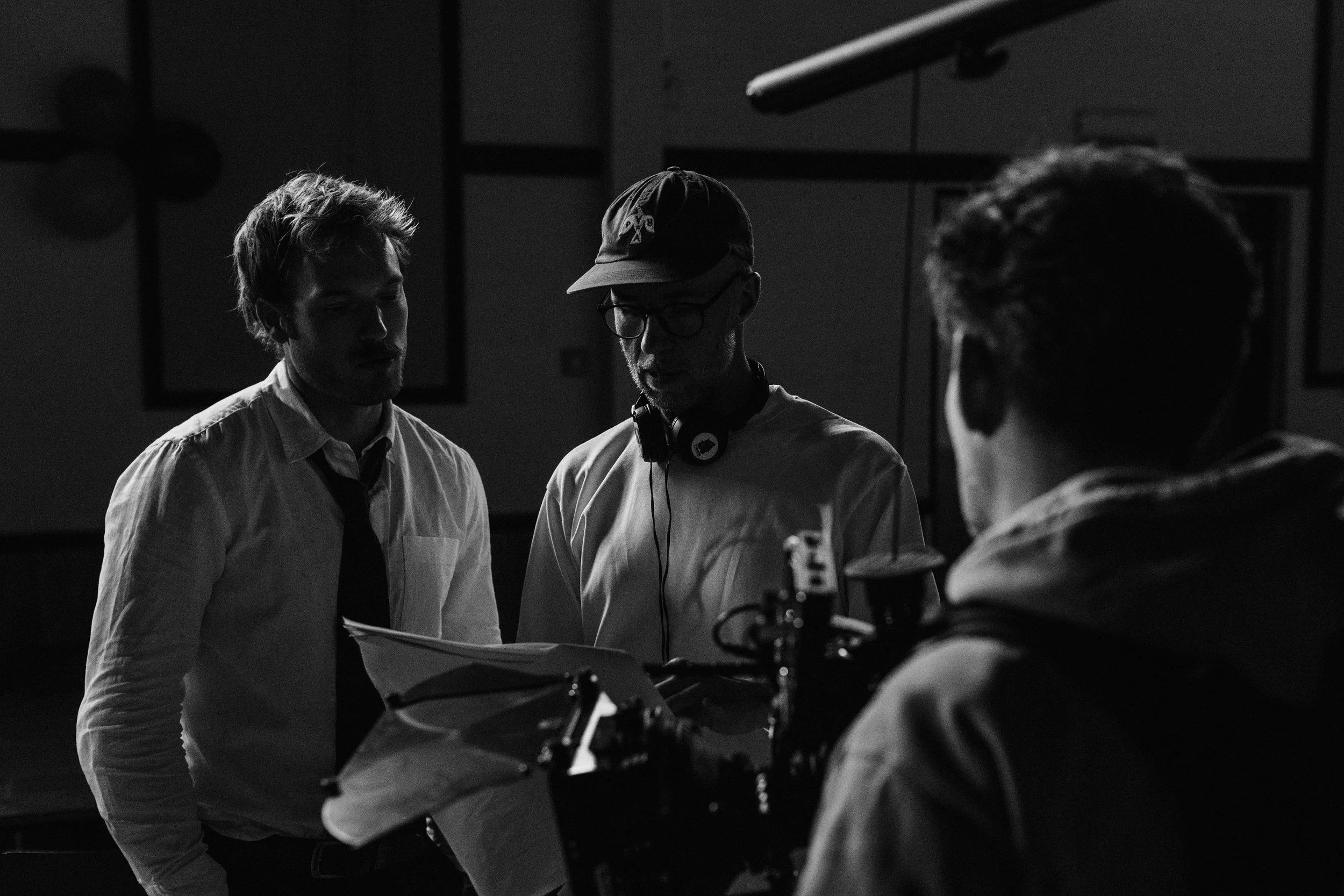
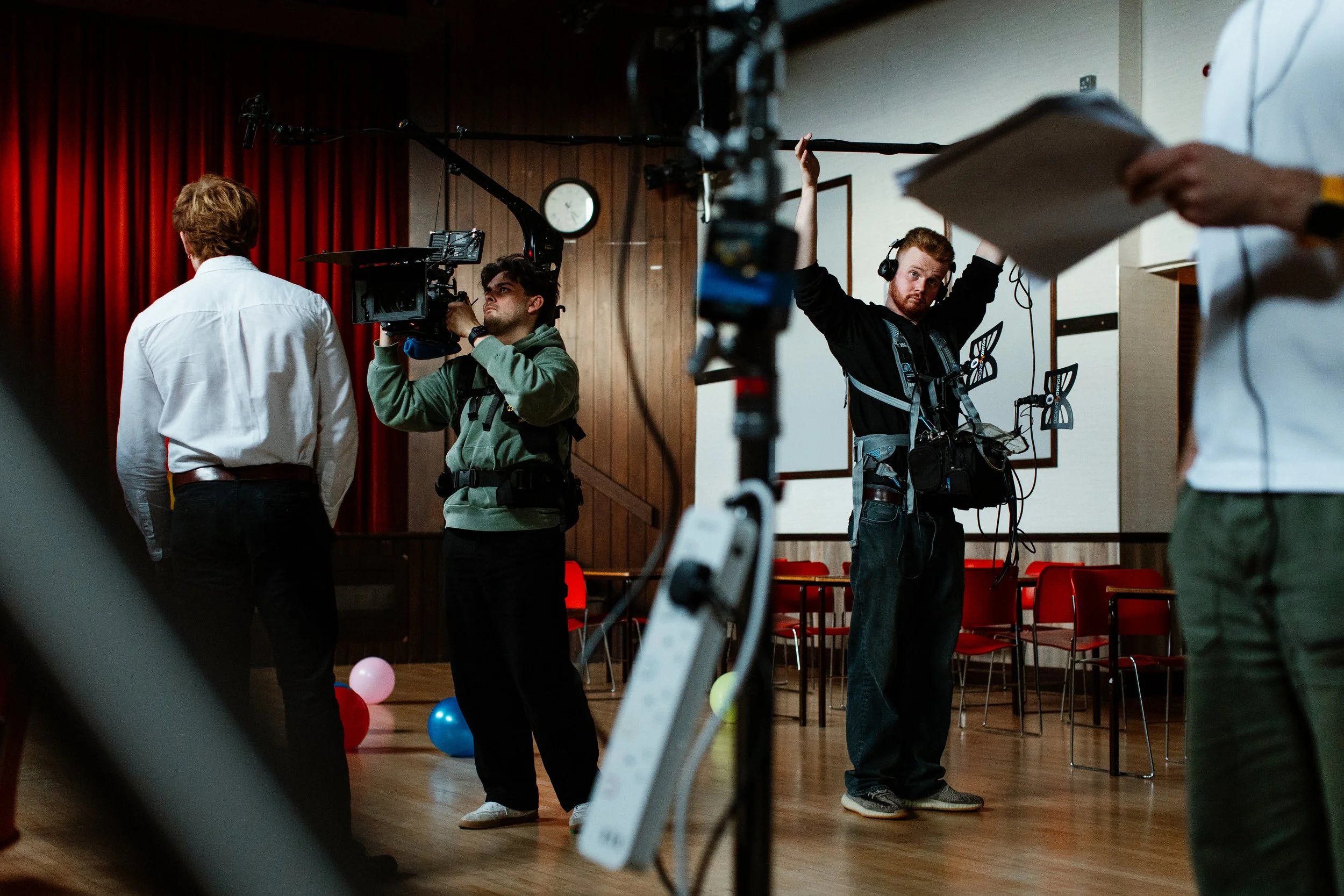
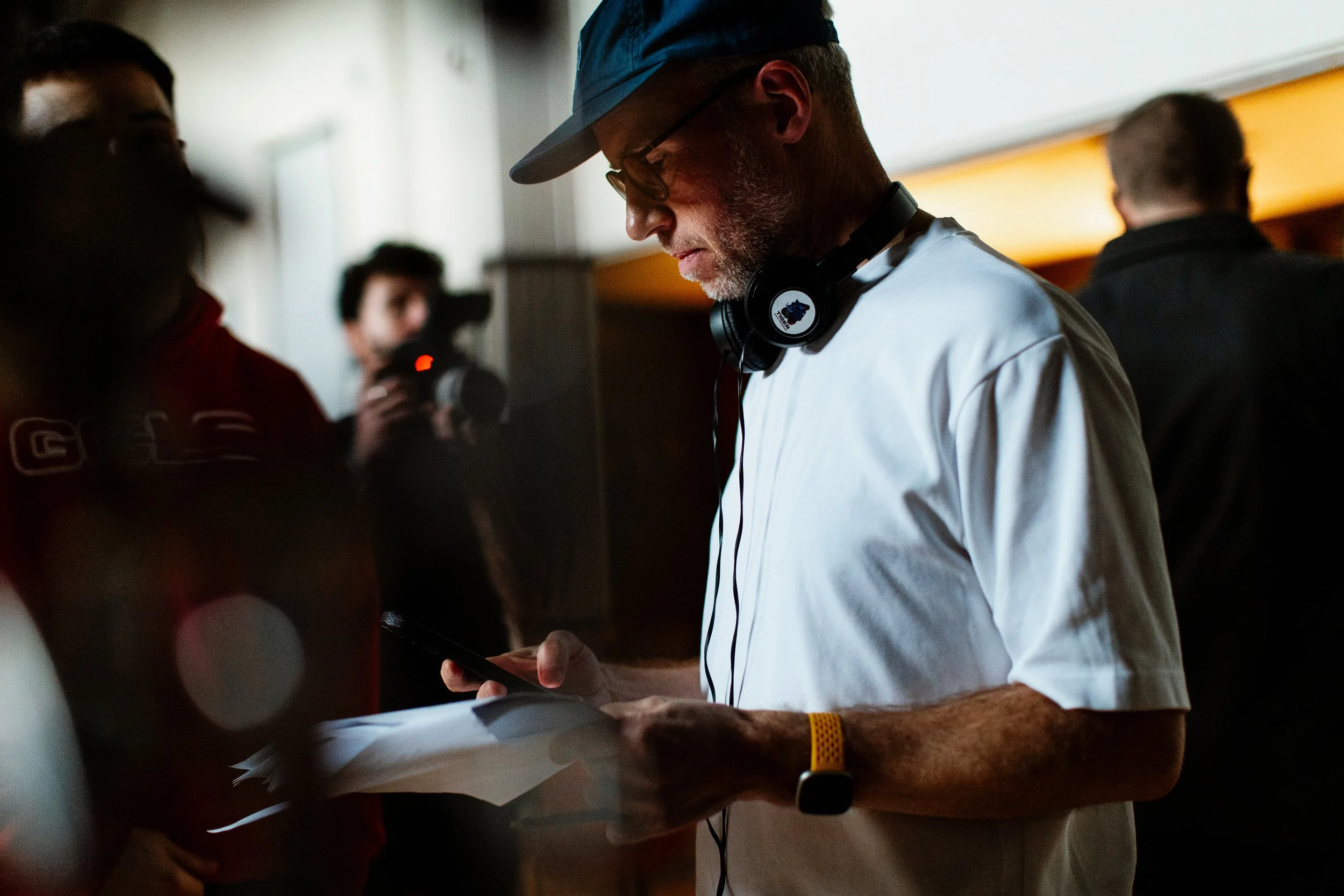
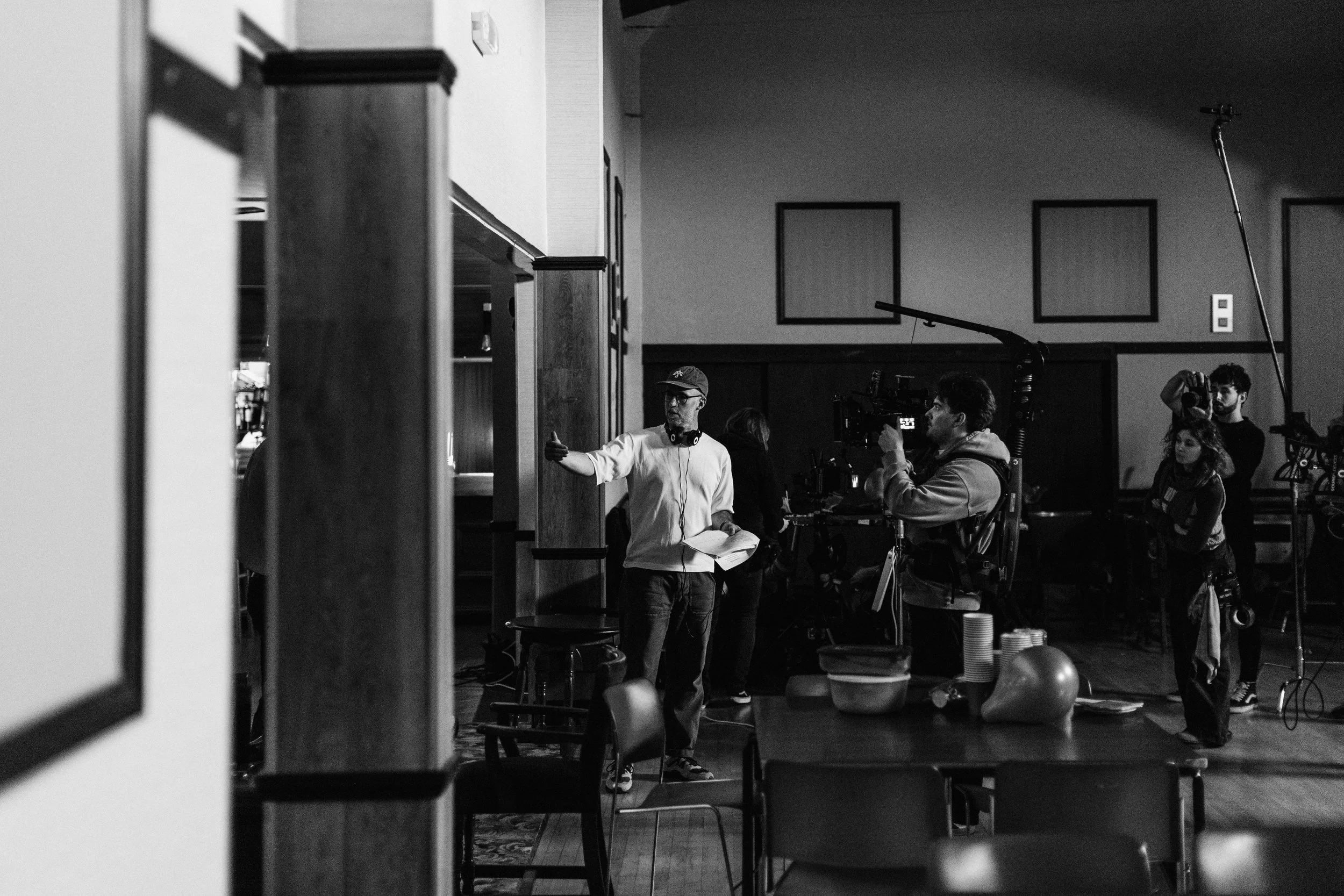
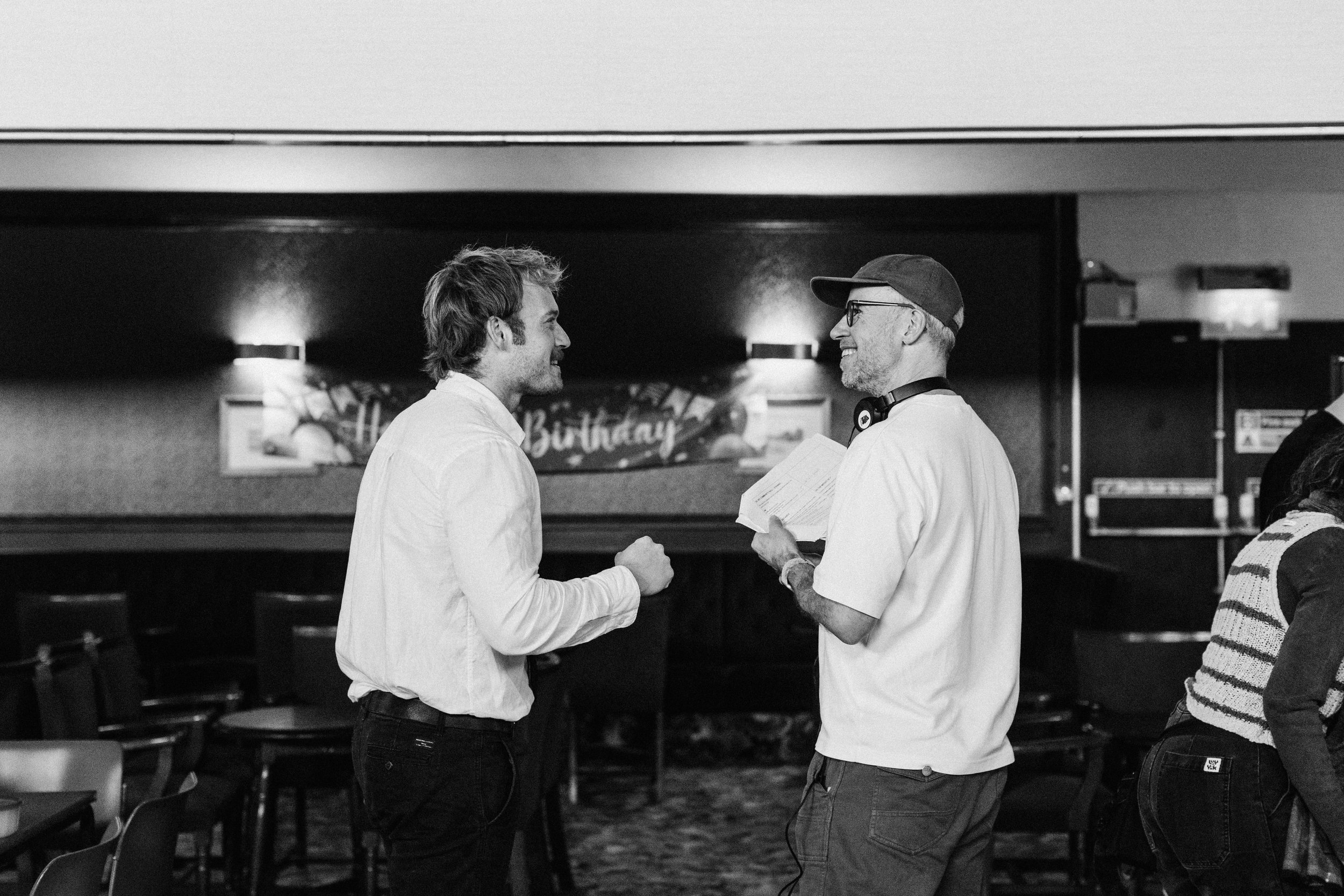
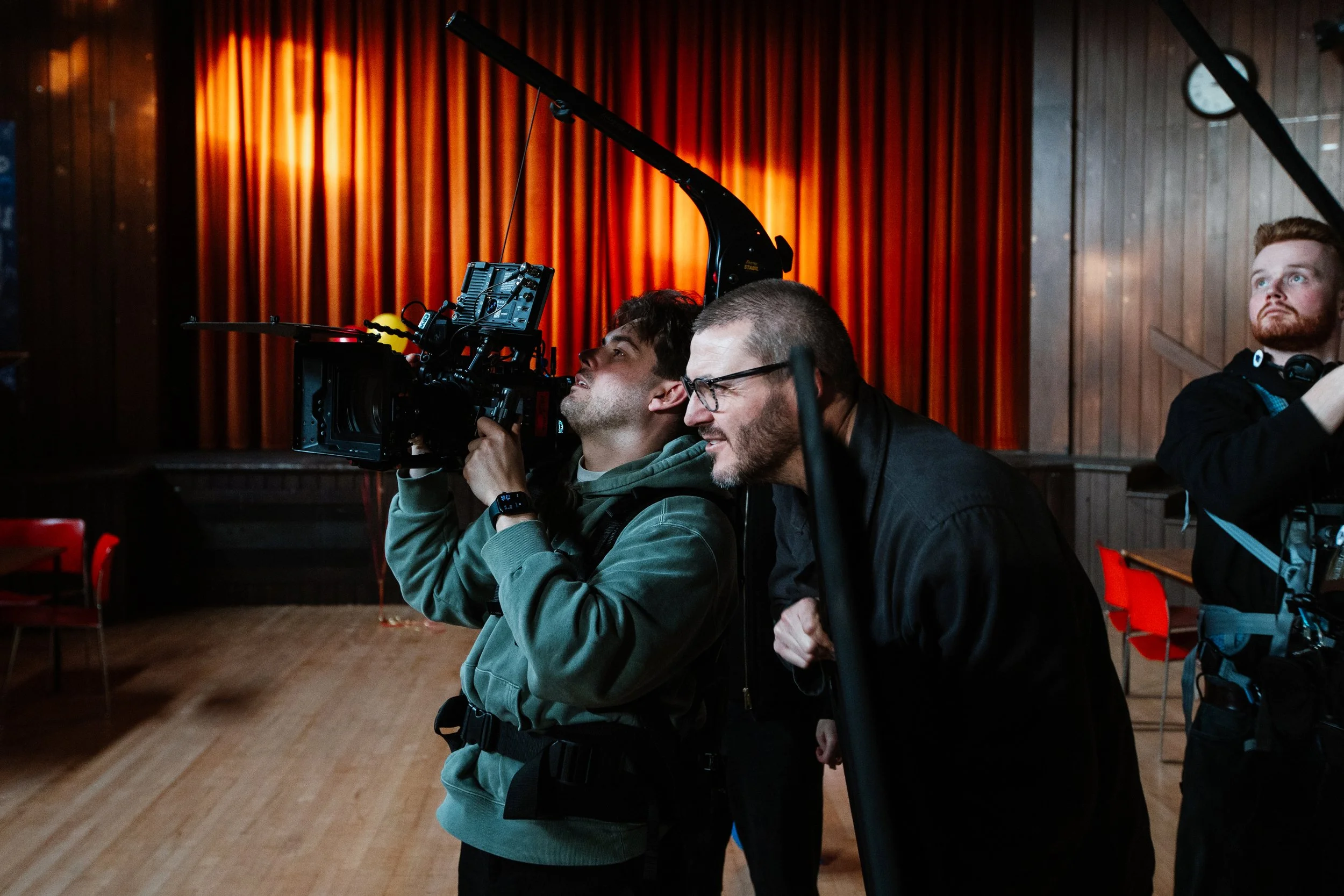
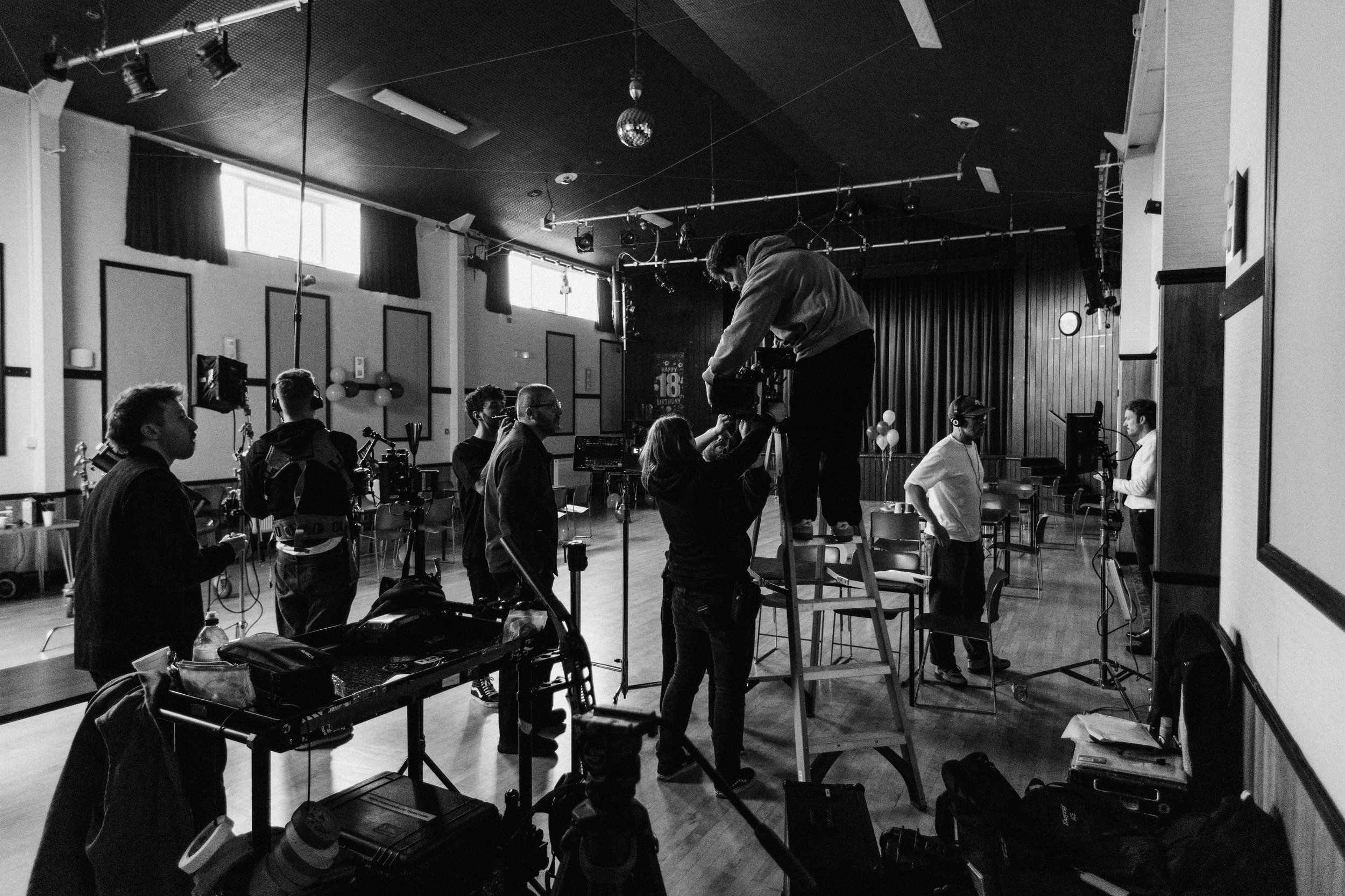
BTS / Unit Photographer - Liam Keown
BTS / Video / Fuji Camera connect - Cameron O’Connell
Post-production - Remco Merbis
Cleaner cameo - Sasha Belgrave
Fujifilm GFX Eterna 55 - Cameron O’Connell
Camera equipment - Visual Impact Bristol
Lighting Equipment - Pace Rentals
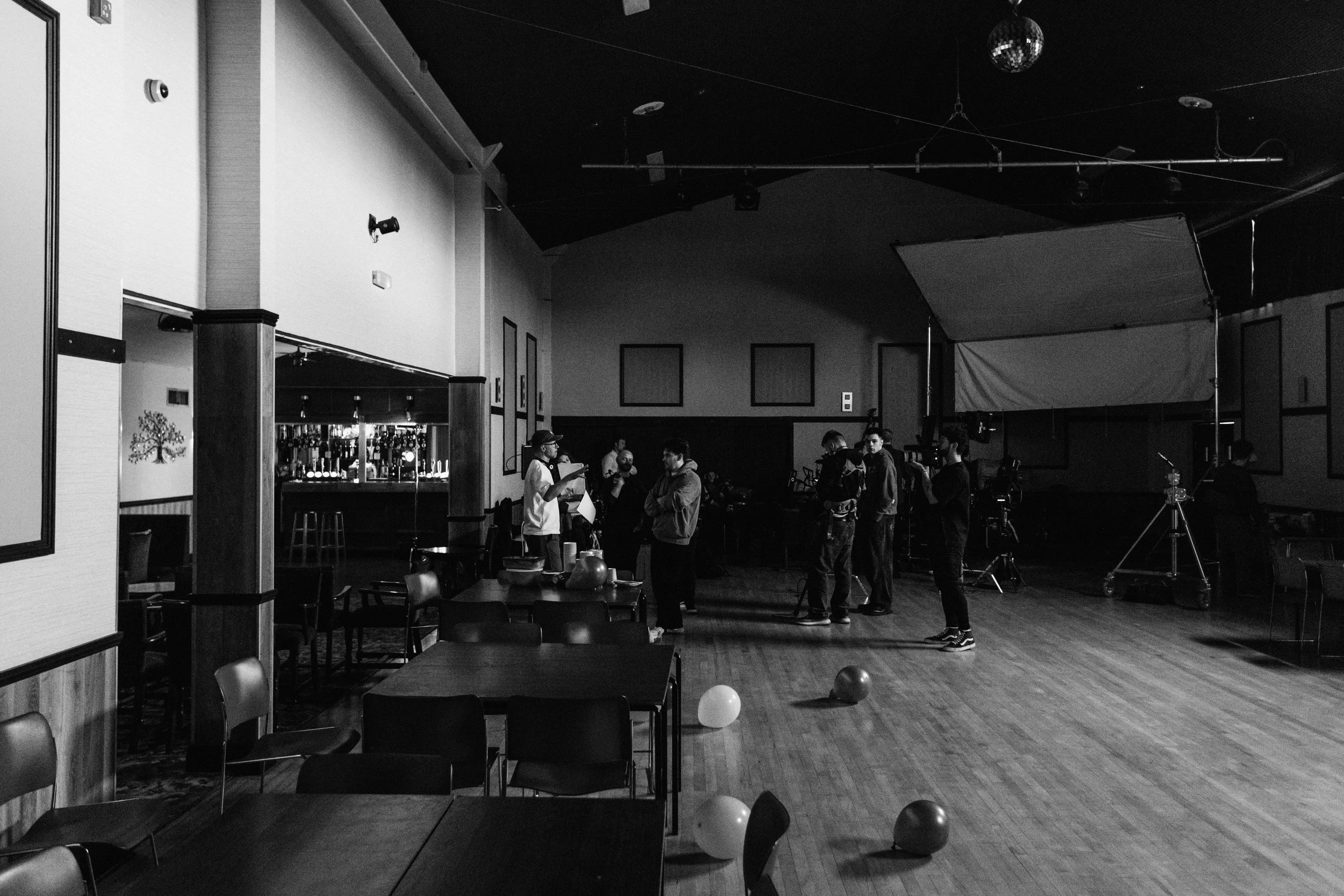
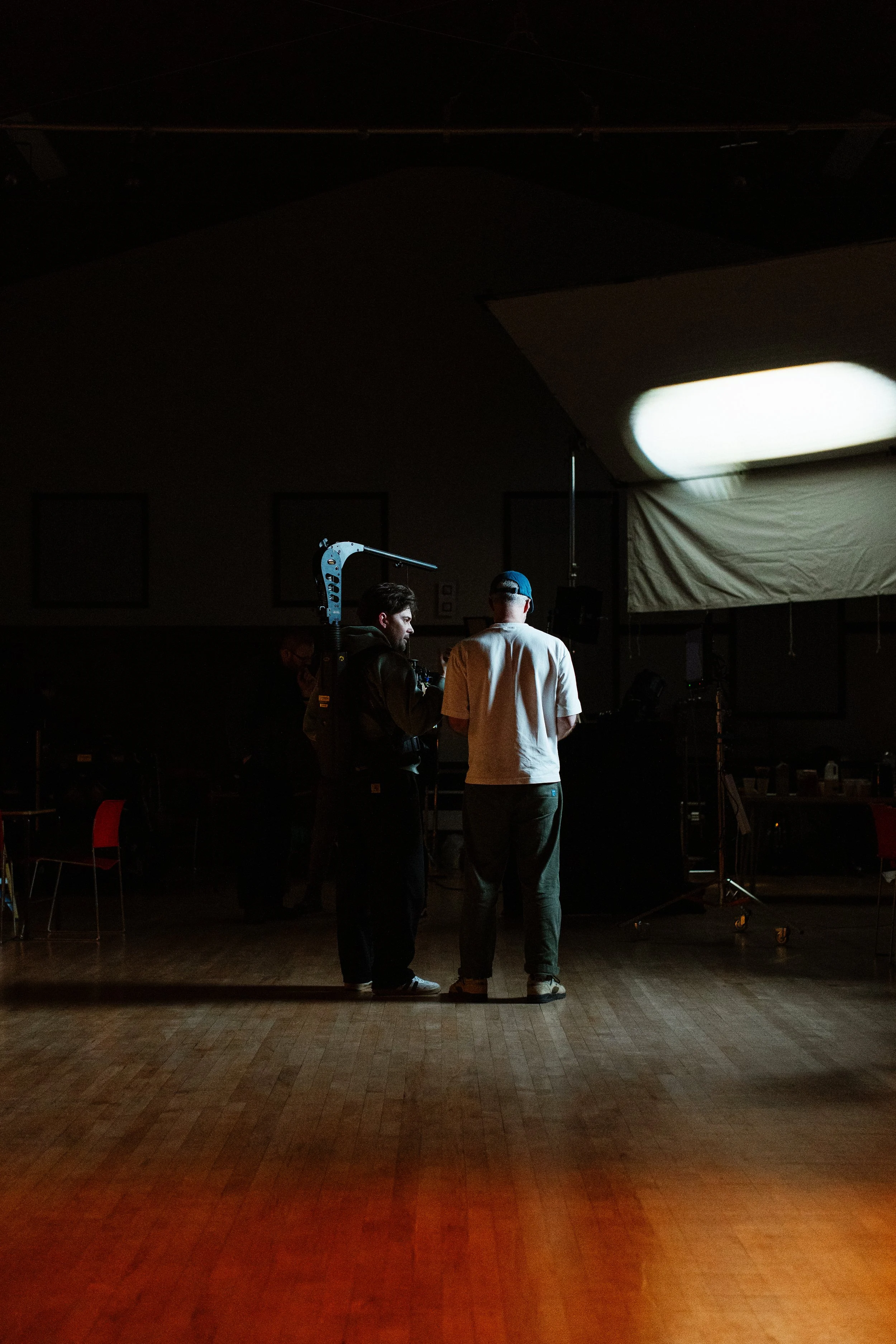
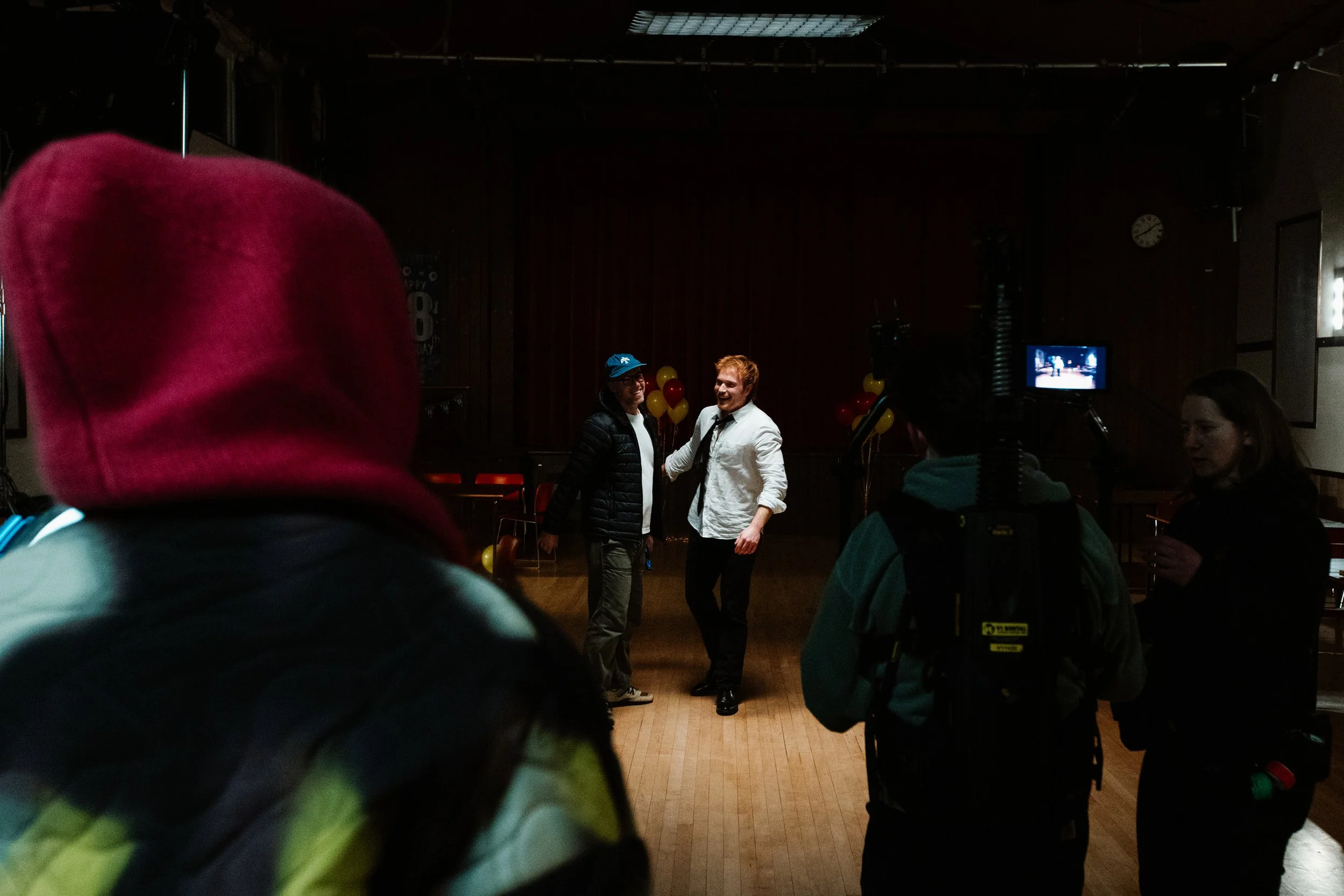
Shot on location at Hanham Community Centre, Bristol, UK, in February 2026.
Awards & Selections
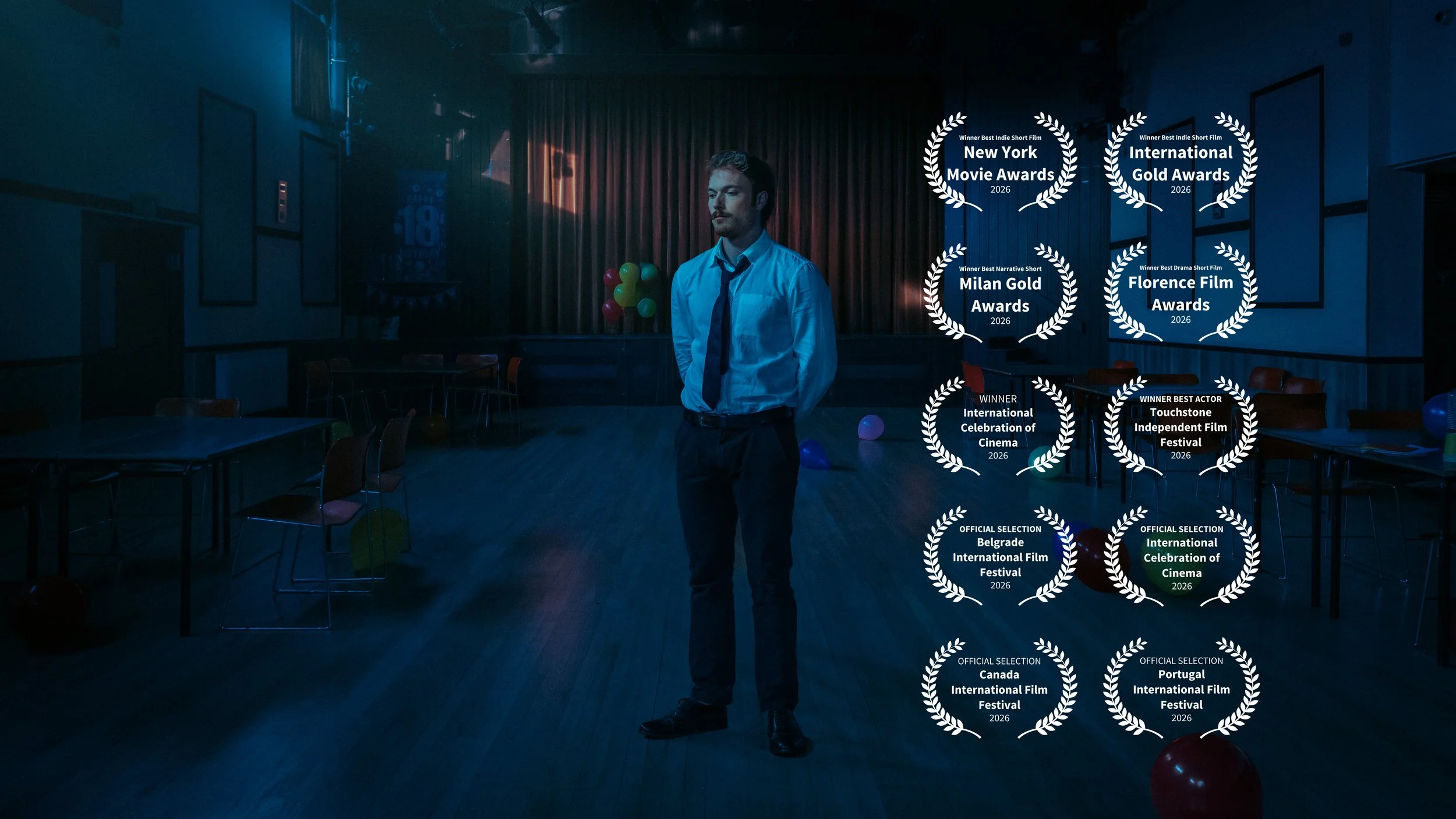
Winner Best Indie Short Film - International Gold Awards
Winner Best Indie Short Film - New York Movie Awards
Winner Best Drama Short Film - Florence Film Awards
Winner Best Narrative Short - Milan Gold Awards
Winner Best Actor - Touchstone Independent Film Festival
Winner Best Dance Sequence/Choreography - International Celebration of Cinema
Winner Best Short Film - iDeal International Film Festival
Winner Best Indie Short Film - South Film and Arts Academy Festival
Winner Best Editing - South Film and Arts Academy Festival
Honourable Mention Lead Actor - South Film and Arts Academy Festival
Finalist - East Village New York Film Festival
Finalist - Royale Film Festival
Finalist - Emberlight International Film Festival
Official Selection - Belgrad International Film Festival
Official Selection - Portugal International Film Festival
Official Selection - Canada International Film Festival
Official Selection - Grove Film Festival
Official Selection - Northern Festival of Cinema
Official Selection - Dili International Film Festival
Official Selection - T.I.F.A. - Tietê International Film Awards
“Ultimately, What Light Remains is a polished and deeply moving piece of cinema. Merbis has created a work that is as aesthetically beautiful as it is socially relevant, offering a hopeful antidote to the “quiet rules” of the past.
With its standout performance from Hazlewood and its exquisite visual polish, it is a festival highlight that lingers in the mind long after the screen goes dark, reminding us that sometimes the most powerful things we can say are the ones we don’t use words for.”
Director’s statement
This film comes from my own experience of growing up mostly without a father, a younger brother and surrounded by men who embodied traditional ideas of masculinity: alpha, stoic, reserved, rarely showing vulnerability.
I learned early what wasn’t meant to be spoken: don’t cry, don’t admit fear, don’t ask for help. That silence shaped me, and it continues to define the way many young men live today. I chose to set the film around an eighteenth birthday, a moment that marks the supposed transition into manhood. But for many, this milestone carries more pressure than liberation. It comes with the weight of fathers, uncles, grandfathers, and generations before, each handing down the same script of toughness and control.
The protagonist tries to write a speech for his younger brother. But the words ring hollow, because they’re the words men have always been told to say; safe, rehearsed, emotionally distant. Instead of connection, they reinforce silence. When music interrupts, something shifts. Words give way to movement, and the body becomes a new language.
Through dance, he breaks from expectation and glimpses the possibility of a freer, more vulnerable masculinity.
For me, this film is both personal and universal. It’s about confronting my own history, while also speaking to the realities that young men face today; loneliness, mental health struggles, and the weight of silence.
The story ends with hope: the idea that letting go, rather than holding it all in, can be a beginning.